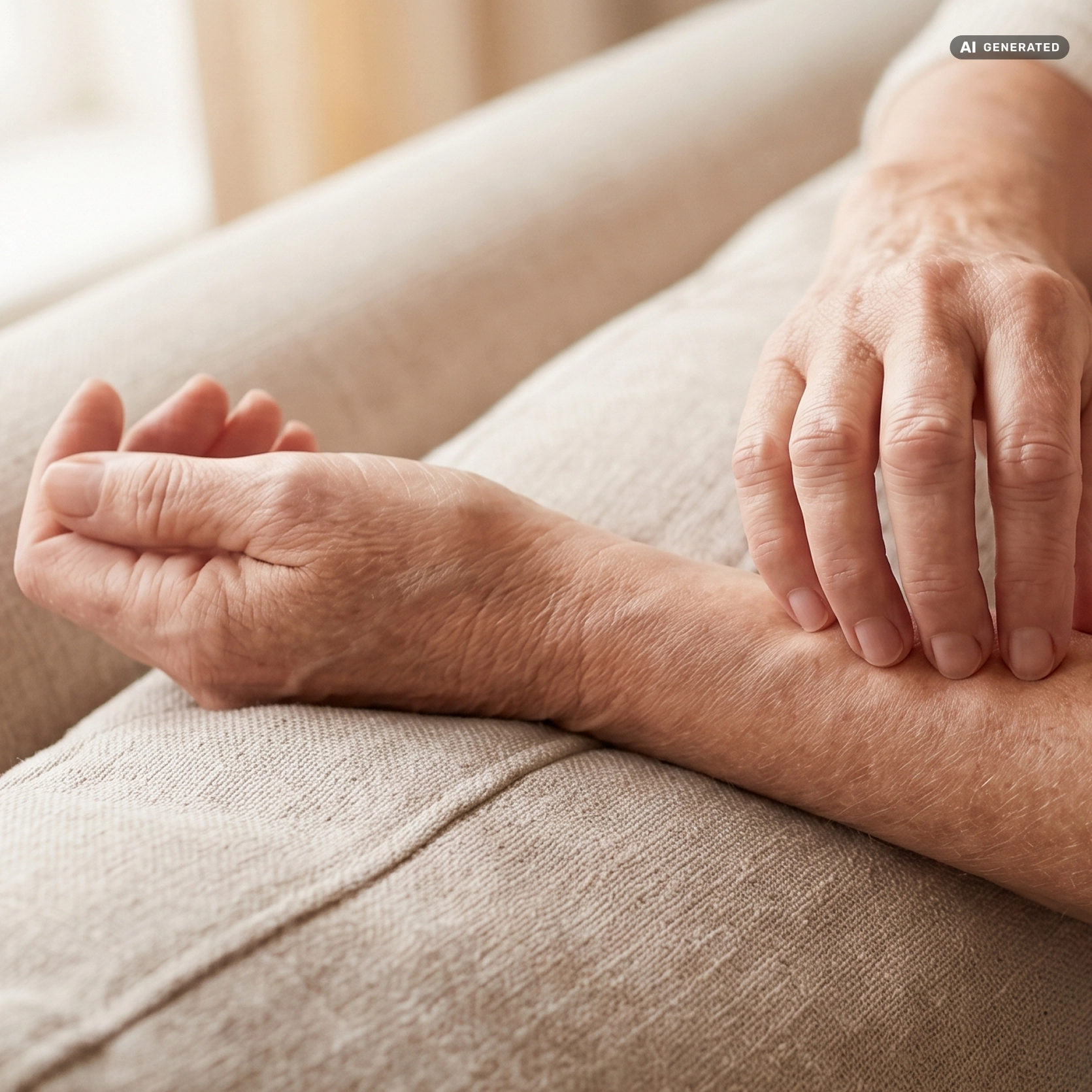
Eczema: What is it, & How To Treat It
Most people have heard of eczema—the itchy skin condition that often affects babies and children. But what is eczema exactly? And did you know there are lots of different types that affect different areas of the body in different ways? Who knew that dandruff was actually a form of scalp eczema? Although eczema is a common skin condition, its effects can be extremely frustrating and disruptive. In this article, we’ll explore the different types of eczema, eczema causes, what eczema rashes look like, and eczema-related itch treatments.
What is eczema?
Eczema, also called atopic dermatitis, is a common skin condition that weakens the skin’s barrier function responsible for helping the skin retain moisture and protect it from outside elements. It causes very dry, itchy, and uncomfortable skin.8
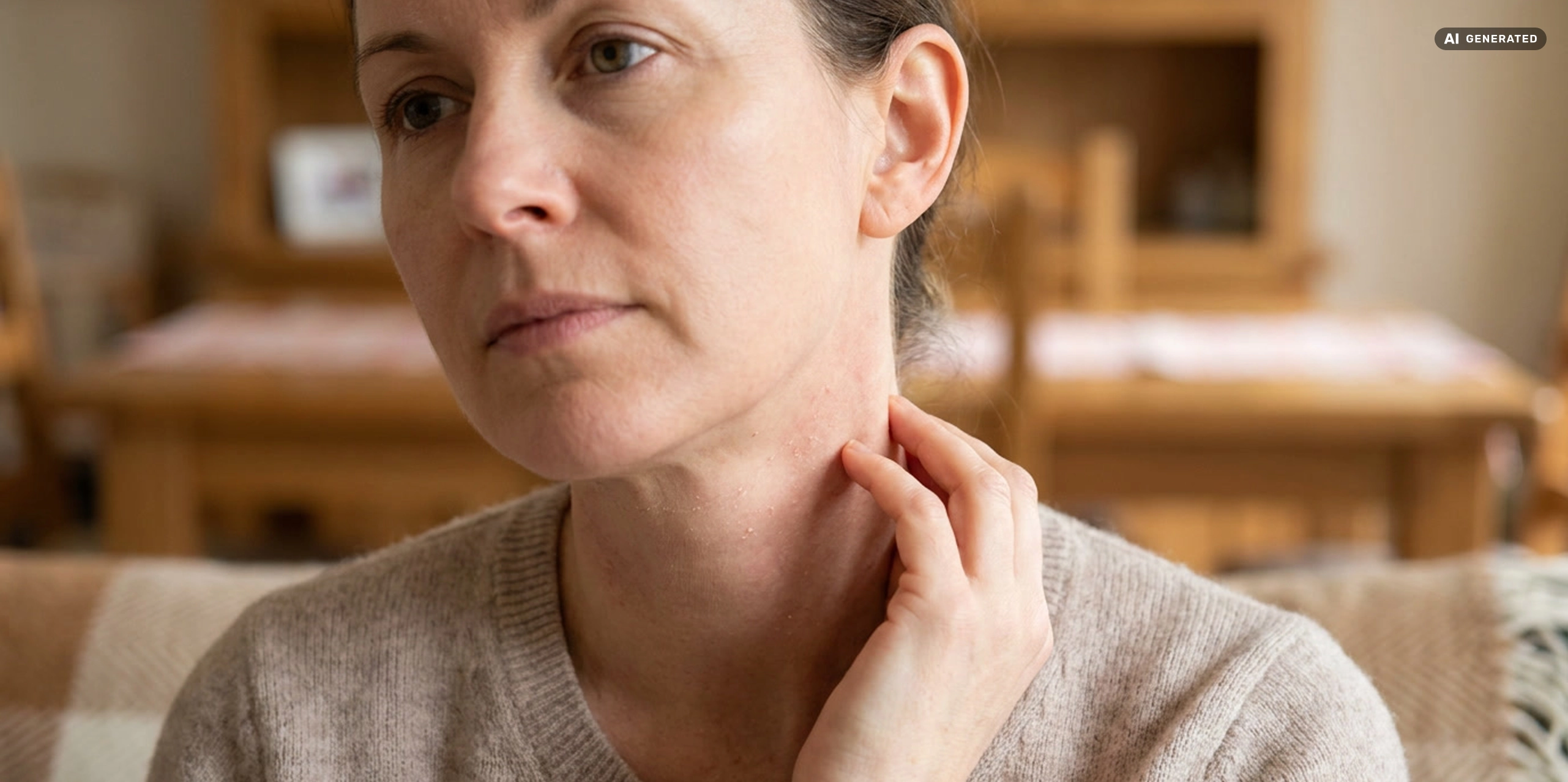
The different types of eczema
There are different types of eczema that have different symptoms and typically affect different areas of the body.
Atopic dermatitis
Cause:
Atopic dermatitis is normally caused by a combination of genetics and a trigger. A lot of people with this type of eczema have a mutation in the gene that produces filaggrin. Triggers can be hard to pinpoint but include:
-
Overactive immune system
-
Itchy clothing
-
Sweating
-
Humid environments
-
Change of temperatures
-
Harsh skincare products
-
Fragranced products
-
Stress1
Appearance:
-
Rash
-
Scaly patches
-
Red, purple, brown or grey patches
Common areas:
-
Face
-
Inside elbows
-
Behind knees
Key symptoms:
-
Extremely itchy skin that can affect daily life and mood
-
Inflamed, painful skin
-
Dry, scaly skin that oozes clear fluid
-
Thick or discolored skin in previously affected areas
Contact dermatitis

Cause:
There are two main types of contact dermatitis:
-
Allergic contact dermatitis is an allergic immune reaction that occurs from skin contact with an allergen, for example poison ivy
-
Irritant contact dermatitis is when there is no allergic reaction, but the skin is damaged by an irritating substance, like a harshly perfumed soap or hair dye.
Appearance:
-
Scaly patches
-
Inflamed skin that looks pink, red, purple, brown or grey
Common areas:
Anywhere on the body depending on what area has been exposed to the irritant or allergen.
Key symptoms:
-
Intense itching
-
Dry, scaly skin that oozes clear fluid
-
Painful, inflamed skin2
Dyshidrotic eczema
Cause:
The cause of dyshidrotic eczema isn’t known but it is more commonly found in people who already have other types of eczema. It runs in families which suggests there could be a genetic component. Triggers include:
-
Contact allergens like metals
-
Stress
-
Frequently wet hands or feet
-
Frequent handwashing
-
Sweaty palms
-
Allergies like hayfever
-
Skin infections, like athletes foot
-
Some medications, like aspirin or birth control pills
Appearance:
-
Small, deep blisters or bubbles on the skin
-
Inflamed, red skin
-
Dry, cracked skin
-
Scaly skin around blisters
Common areas:
- Fingers
- Hands
- Feet
Key symptoms:
-
Sudden itchy palms, fingers, or soles of feet
-
Small fluid-filled blisters
-
Itching and burning
-
Dry, peeling skin after blister fades
-
Large blisters in severe cases3
Nummular eczema
Cause:
The exact cause of nummular eczema is not known but it normally occurs during the winter when central heating systems can lead to dry skin. People who suffer with dry skin are more at risk.
Appearance:
-
Raised, coin-shaped patches on the skin
-
Red, pink or brown spots
-
Flat to begin with then bumpy
-
Scaly patches
-
Inflamed skin
Common areas:
- Legs
- Forearms
- Back of hands
Key symptoms:
-
Round, raised spots on the skin
-
Scaly spots that form a crust and join together
-
Itching and burning
-
Extremely dry skin
-
Lesions that ooze liquid4
Seborrheic dermatitis
Cause:
The exact cause of seborrheic dermatitis is unknown but is believed to be a combination of factors including:
-
Genes
-
Natural yeast on the skin
-
Stress
-
Chemical irritants like hair dye or detergents
-
Dry or cold weather
-
Hormonal changes
Appearance:
-
Pink, red, purple, brown, or white rash
-
Raised appearance underneath body hair
-
Patchy, flaky scales
-
Ring-shaped rash
Common areas:
- Scalp
- Chest
- Groin
- Beard
Key symptoms:
-
Skin irritation
-
Itching
-
Flaky skin or dandruff
-
Burning and itching
-
White or yellow scales
-
A light or dark brown rash depending on skin tone5
Venos eczema (Stasis dermatitis)
Cause:
Venos eczema, also known as stasis dermatitis, usually occurs in people over the age of 50 with poor circulation, with women more likely than men to get it. Medical conditions like blood clots, high blood pressure, cellulitis, varicose veins and kidney disease can increase your chances of getting it. Maintaining a healthy diet and exercise can help reduce the risk.
Appearance:
-
Abnormal red or brown skin color on ankles and lower legs
-
Thick, hard skin
-
Scaly skin
-
Swelling
-
Blisters that could ooze fluid
Common areas:
- Ankles
- Shins
- Lower legs
Key symptoms:
-
Itching
-
Pain and swelling
-
Change in leg shape
-
Heavy or achy feeling after long periods of sitting or standing6
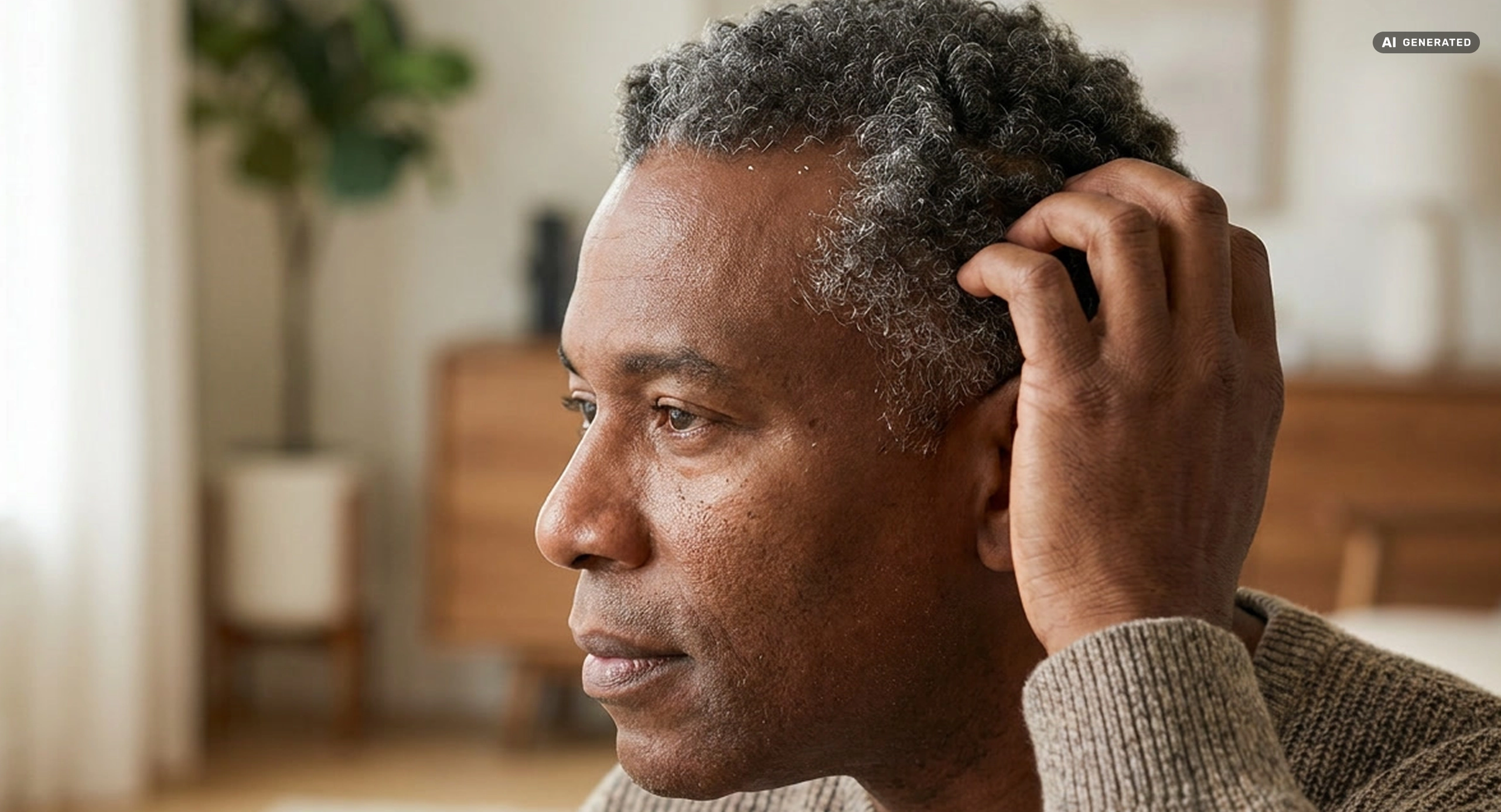
Neurodermatitis
Cause:
The cause of neurodermatitis, also called lichen simplex chronicus (LCS), is not completely understood, but researchers believe it could be caused by overreactive nerves. Environmental or emotional triggers could cause the initial itchy feeling that kick-starts the itch/scratch cycle. Researchers have also found significant differences of the gene TRPA1 in skin patches of neurodermatitis.
Appearance:
-
Thick, scaly patches of skin
-
Lesions caused by scratching
-
Pink to dark brown discolored skin
-
Dark border around skin patches
Common areas:
- Feet
- Ankles
- Hands
- Wrists
- Elbows
- Shoulders
- Neck
- Scalp
- Eyelids
- Genital areas
Key symptoms:
-
Chronic itching
-
Dry skin
-
Thick, leathery patches of skin
-
Skin irritation
-
Skin lesions
-
Pronounced skin lines7
Psoriasis vs Eczema
Psoriasis and eczema are similar conditions and sometimes it can be difficult to diagnose which one is the problem. Although there are shared traits, like itchy skin and rashes, there are some key differences, outlined in the table below:
| Eczema | Psoriasis |
|---|---|
| With eczema, the skin’s barrier struggles to hold on to enough moisture to protect itself. | With psoriasis, patches of skin cells grow too quickly and layer on top of each other to form scales or plaques. |
| Causes intense itch that may bleed from excessive scratching. | Causes itchy skin that also stings, burns or feels like you’re getting bitten by fire ants. |
| Skin is red and inflamed with rough, thick leathery patches that are sometimes dark. Sometimes with swelling. | Red patches that are silvery, scaly and raised, but not thick and inflamed. |
| Affects: inner elbow, behind the knees, neck, wrists, ankles. Babies’ chin, cheeks, scalp, chest, back, arms, and legs. | Affects: elbows, knees, scalp, face, lower back, palms of hands, soles of feet, mouth and lips, eyelids, ears. |
| Scalp eczema, or seborrheic dermatitis, causes white or yellow dandruff, greasy skin, and an itchy, scaly rash. | Scalp psoriasis causes thicker, drier scales and can extend beyond the hairline. |
| Triggers include: Irritants like soaps, detergents, or gasoline Allergens like dust, pets, and mold Infections Stress Sweating Hormones Humidity |
Triggers include: Skin injuries (like sunburns and scratches) Smoking and smoke exposure Cold and dry weather Alcohol Some medications Suddenly stopping corticosteroids |
| Usually starts in babies or young children and improves when they grow up. | Usually starts between the ages of 15 and 35 and tends to be a life-long condition. |
| Linked to conditions such as: HIV Acne Rosacea Parkinson’s disease Epilepsy Alcoholism Depression Eating disorders History of stroke or heart attack |
Linked to conditions such as: Psoriatic arthritis Heart disease Metabolic syndrome Obesity Hypertension High cholesterol Diabetes Anxiety Depression Inflammatory bowel disease Cancer Kidney disease Sleep apnea Chronic obstructive pulmonary disease Uveitis (eye inflammation) Liver disease8 |
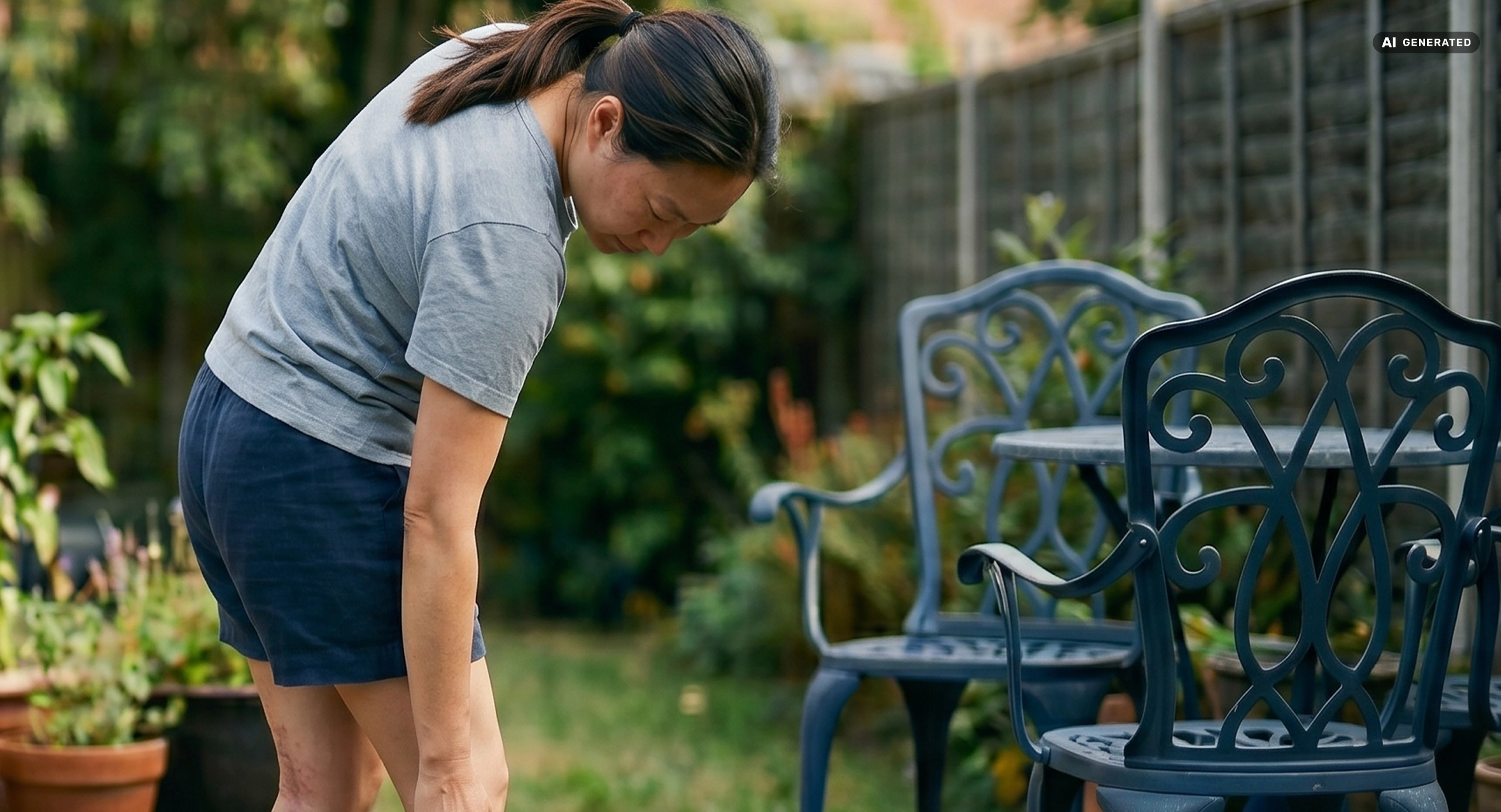
Where can you get eczema?
Eczema can affect any area of the body, with some specific types of eczema that tend to stick to specific body parts—for example seborrheic dermatitis on the scalp. Some common places that eczema is found on the body include:
-
Eczema on face
-
Eczema on hands
-
Eczema on lips
-
Eczema on scalp
-
Eczema on feet
-
Eczema in ear
-
Eczema on eyelids
-
Eczema behind knees
-
Eczema on neck
-
Eczema in arm creases & elbow9
What does eczema look like?
The tell tale sign of eczema is the chronic itch. Some people call it the ‘itch that rashes’ because the itch often comes first.16 The physical signs of eczema that follow can be extreme and painful. Here’s a look at what different types of eczema symptoms might look like:
- Eczema rash — an itchy rash that could look red, purple, brown, or grey depending on skin tone.
- Dry skin — chronically dehydrated skin may crack.
- Bumps — small raised bumps on brown or black skin.
- Pus — the skin can ooze pus which may form a crust over the affected area.
- Scaly patches — the skin can thicken into a leathery texture and become scaly.15
- Inflammation — scratching causes the skin to become inflamed and sore. Light skin normality turns an angry red or purple color, while darker skin can go an ash gray colour.
- Cradle cap — babies often have seborrheic eczema on their scalps. It looks like oily, scaly patches under the hair and is referred to as ‘cradle cap’. It’s usually not itchy and clears by itself.16
Eczema on newborn babies
Newborn eczema is common, where it is referred to as infantile atopic dermatitis. It is usually found on the scalp (‘cradle caps’), forehead, and cheeks and causes patches of the baby’s skin to become dry, itchy, and sensitive. Drooling can often make eczema worse on the face and neck of babies.
It is normally a genetic condition where the barrier of their skin is impaired and not able to prevent irritants or allergens from entering. There is no cure but it can be managed with moisturizing creams and medications, also by understanding what the triggers are for your baby, you can avoid future episodes.10
Eczema causes
Eczema has many causes, it is a condition that ‘flares up’ based on environmental factors and triggers. Triggers are split into two groups:
-
Irritants — a substance that irritates the skin.
-
Allergens — a substance that triggers an allergic reaction.
Some of the common triggers for eczema include:
-
Dry weather (low humidity)
-
Fabrics or clothing material
-
Makeup or skin care products
-
Smoke and pollutants
-
Soaps and detergents
-
Stress or your emotional well-being
-
Touching something you’re allergic to9
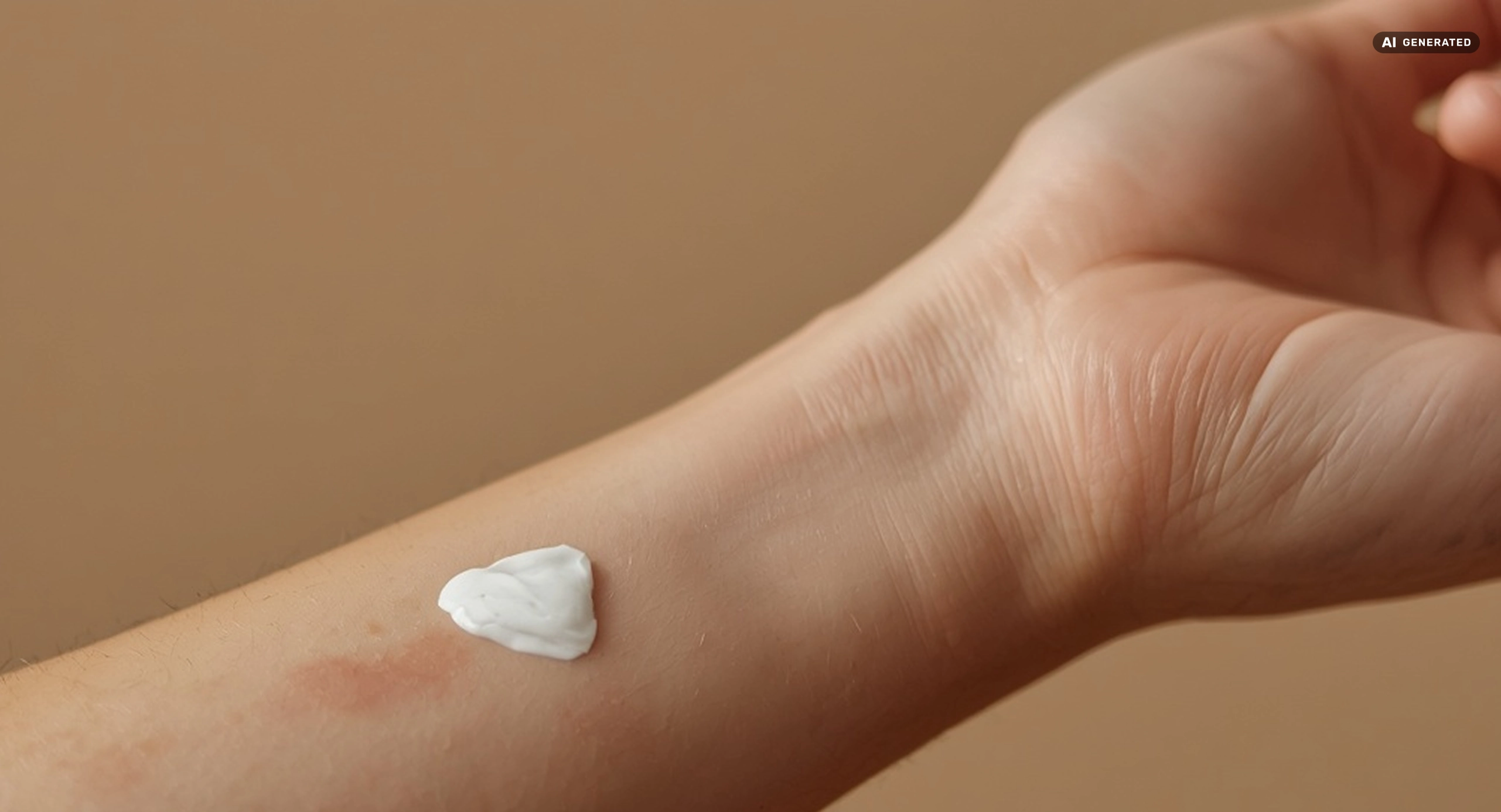
Eczema treatment
Now we’ve covered the different types of eczema and its symptoms, you might be wondering how to get rid of eczema? Unfortunately, eczema can’t be fully cured, but eczema treatment focuses on relieving the symptoms to help alleviate itching and improve skin condition.
-
Avoid triggers – This will be unique to each person and could include a range of tactics— from avoiding perfumed soaps to finding ways to lower stress.
-
Keep skin moisturized – Use moisturizers formulated for sensitive skin and apply to wet skin.
-
Apply topical steroids – Your medical provider may advise using topical steroids to help reduce inflammation and itching caused by eczema.
-
Take oral medications – Anti-inflammatory medicines, antihistamines, or corticosteroids help to reduce itching and swelling.
-
Use immunosuppressant drugs – In some cases your doctor may prescribe you immuno-suppressants to regulate your immune system's reactions.
-
Apply a cool compress – Soak a clean washcloth in cool water, then wring out water so the cloth is damp. Apply the cool compress to itchy skin. After removing the compress, apply moisturizer to the affected area.
-
Add colloidal oatmeal to a bath – Colloidal oatmeal helps relieve dry, itchy skin and can be purchased at most drugstores. Simply add the colloidal oatmeal to warm water, then soak for 15-30 minutes as directed on the product labeling. After the bath, towel-dry gently, leaving skin slightly damp before applying moisturizer.
-
Soak in a bath and apply ointment – After soaking in a lukewarm bath, apply a thick layer of moisturizing ointment. When the skin is very itchy, an eczema-friendly ointment like petroleum jelly provides more relief than a cream or lotion.
-
Light therapy – Light therapy can be used to remove blemishes and improve the appearance of skin.9
For more information, speak with your primary care physician.
Emotional effects of eczema
Many people find living with eczema difficult due to the persistent itching, painful skin, disrupted sleep, and appearance of their skin. People with eczema report a wider negative effect on their lives, including personal relationships, social life, and professional life. The visible symptoms of eczema can contribute to low self-esteem, withdrawal from social activities, and loneliness.11
Cortizone-10 is here to fight the itch
Hydrocortisone is a steroid found in over-the-counter itch creams. It helps to temporarily relieve itching from minor skin irritations, inflammation, and rashes.12
If you find yourself with an itch to scratch, Cortizone-10® products can help— it’s the #1 Doctor Recommended OTC Topical Anti-Itch Brand*, containing the maximum-strength hydrocortisone available over the counter to provide temporary itch relief. Effective for relieving symptoms including itch associated with minor skin irritations, inflammation, and rashes due to eczema, psoriasis, insect bites, detergents, jewelry, cosmetics, soaps, seborrheic dermatitis, poison ivy, poison oak, and poison sumac.
-
Maximum Strength Itch Relief Lotion for Eczema contains the maximum-strength hydrocortisone available over the counter. It’s specially formulated to help relieve the itching and discomfort associated with minor skin irritations, rashes, and inflammation due to eczema.
-
Maximum Strength Itch Relief Lotion for Diabetics' Skin contains maximum-strength hydrocortisone. It’s clinically tested and shown to be non-irritating on diabetics' skin when used as directed.
-
Maximum Strength Overnight Itch Relief Cream is formulated with hydrocortisone to calm and soothe itch while you sleep.
-
Maximum Strength Ultra Moisturizing Anti-Itch Cream contains 10 moisturizers to make skin feel softer. It helps relieve itch associated with minor skin irritations and rashes due to insect bites, poison ivy, psoriasis, and more.
-
Maximum Strength Itch Relief Cream With Aloe contains maximum-strength hydrocortisone and aloe to help soothe your skin. It’s just right for relieving itch associated with minor skin irritations due to insect bites, poison ivy, and more.
-
Maximum Strength Itch Relief Cooling Gel brings a cooling sensation and cools skin on contact. Helps relieve itch associated with minor skin irritations, inflammation, and rashes due to insect bites, poison ivy, eczema, psoriasis, and more.
-
Maximum Strength Itch Relief Easy Relief Applicator is the no-mess way to help relieve itch associated with minor skin irritations and rashes due to insect bites, poison ivy, psoriasis, and more.
When to see a doctor
If you’ve got eczema, chances are you’ve already dealt with a few flare-ups and already know what to do to make it feel better. But, even if you’ve had eczema before, it’s important to seek medical help if you experience any of the following symptoms:
-
Flare-ups that get worse
-
New or changing symptoms
-
Eczema in new areas of your body
-
Crusting skin
-
Oozing fluid
-
Disrupted sleep
-
Interference with daily activities13
FAQs about eczema

Is eczema genetic?
It’s not fully understood what causes eczema but scientists believe there is a genetic component that compromises the skin’s barrier making it vulnerable to irritants and allergens.2
What is eczema caused by?
Eczema is normally caused by a ‘trigger’. This could either be an ‘irritant’ like perfumed soap, or an ‘allergen’ like poison ivy.9
How to stop scratching eczema?
It can be difficult to stop scratching eczema, but the symptoms of itchy skin can be eased with certain moisturizing creams and are over-the-counter ant-itch products containing hydrocortisone.9
Is eczema autoimmune?
Eczema is not classified as an autoimmune disease, as it does not involve the immune system attacking the body’s own healthy tissues. But it is driven by an overactive immune system responding to environmental triggers.14
Is eczema contagious?
Eczema is not contagious. It is not caused by a virus or bacteria.9
What age is eczema most common?
It’s most common for eczema to start in babies and young children and affect them later in life as ‘flare ups’.8
Will eczema go away?
Eczema can’t be cured but there are things you can do to reduce the chance of further flare ups and treat the symptoms of the dry, itchy skin.9
*2024 IQVIA Study
SOURCES:
1. National Eczema Society. Atopic dermatitis (atopic eczema). National Eczema Society; [cited 2026 Feb 26]. Available from: https://nationaleczema.org/types-of-eczema/atopic-dermatitis/
2. National Eczema Society. Contact dermatitis. National Eczema Society; [cited 2026 Feb 26]. Available from: https://nationaleczema.org/types-of-eczema/contact-dermatitis/
3. National Eczema Society. Dyshidrotic eczema. National Eczema Society; [cited 2026 Feb 26]. Available from: https://nationaleczema.org/types-of-eczema/dyshidrotic-eczema/
4. National Eczema Society. Nummular eczema. National Eczema Society; [cited 2026 Feb 26]. Available from: https://nationaleczema.org/types-of-eczema/nummular-eczema/
5. National Eczema Society. Seborrheic dermatitis. National Eczema Society; [cited 2026 Feb 26]. Available from: https://nationaleczema.org/types-of-eczema/seborrheic-dermatitis/
6. National Eczema Society. Stasis dermatitis. National Eczema Society; [cited 2026 Feb 26]. Available from: https://nationaleczema.org/types-of-eczema/stasis-dermatitis/
7. National Eczema Society. Neurodermatitis. National Eczema Society; [cited 2026 Feb 26]. Available from: https://nationaleczema.org/types‑of‑eczema/neurodermatitis/
8. Robinson KM, Altomara D. Psoriasis vs. Eczema: How to Tell the Difference. WebMD; Medically reviewed by Zilpah Sheikh, MD, 09 Dec 2024 [cited 2026 Feb 26]. Available from: https://www.webmd.com/skin-problems-and-treatments/psoriasis/psoriasis-or-eczema
9. Cleveland Clinic. Eczema. Cleveland Clinic Health Library; Last updated 25 Oct 2022 [cited 2026 Feb 26]. Available from: https://my.clevelandclinic.org/health/diseases/9998-eczema
10. Cleveland Clinic. Baby Eczema. Cleveland Clinic Health Library; Last updated 05 Apr 2024 [cited 2026 Feb 26]. Available from: https://my.clevelandclinic.org/health/diseases/23408-baby-eczema
11. National Eczema Society. Mental health support. National Eczema Society; [cited 2026 Feb 26]. Available from: https://www.eczema.org.uk/support/mental-health-support
12. NHS. Hydrocortisone for skin: steroid for skin conditions. NHS UK; Reviewed 28 Aug 2025 [cited 2026 Feb 26]. Available from: https://www.nhs.uk/medicines/hydrocortisone-for-skin/
13. Cleveland Clinic. Eczema Flare‑Ups: Causes and How To Prevent Them. Cleveland Clinic Health Essentials; 28 Dec 2023 [cited 2026 Feb 26]. Available from: https://health.clevelandclinic.org/managing‑eczema‑flare‑ups
14. National Eczema Society. Is eczema an autoimmune disease? National Eczema Society; Published 4 Apr 2022, updated 1 May 2025 [cited 2026 Feb 26]. Available from: https://nationaleczema.org/blog/is‑eczema‑autoimmune‑disease/
15. Mayo Clinic Staff. Atopic dermatitis (eczema): symptoms & causes. Mayo Clinic; Updated 2024 [cited 2026 Feb 26]. Available from: https://www.mayoclinic.org/diseases-conditions/atopic-dermatitis-eczema/symptoms-causes/syc-20353273
16. WebMD. Facial eczema and skin care tips. WebMD; Medically reviewed by Stephanie S. Gardner, MD on 26 Jun 2025 [cited 2026 Feb 26]. Available from: https://www.webmd.com/skin-problems-and-treatments/eczema/eczema-face-manage
RELATED ARTICLES

GET OUTDOORS
Don’t let those pesky itch-causers ruin your outdoor fun. Read about some of the ways you can make your outdoor environment free of things that can cause skin irritation and itching.

SCRATCHING THE SURFACE
Get the ins and outs of itch. Learn about the types and causes, how to avoid it, and how to relieve it.