
BUG BITES: TYPES, PREVENTION & ITCH RELIEF
Most people will experience a bug bite or sting at some point in their lives—from flea bites to bee stings—they are unpleasant but usually nothing to worry about. This article will discuss the different types of bug bites, bug bite symptoms, bug bite relief, and bug bite prevention. So next time you’re headed outdoors, you’ll be armed with all the information you need to deal with any surprises that may be delivered by one of your many-legged neighbors.
SYMPTOMS OF A BUG BITE OR STING
You’ll normally notice if you’re being stung or bitten by a bug, but sometimes the resulting itch or irritation will be the first thing that alerts you to the problem. Most bug bites and stings are short-lived and nothing to worry about, but it’s important to be aware of what the typical symptoms are, when you can use bug bite relief at home, and when you should seek extra medical support.
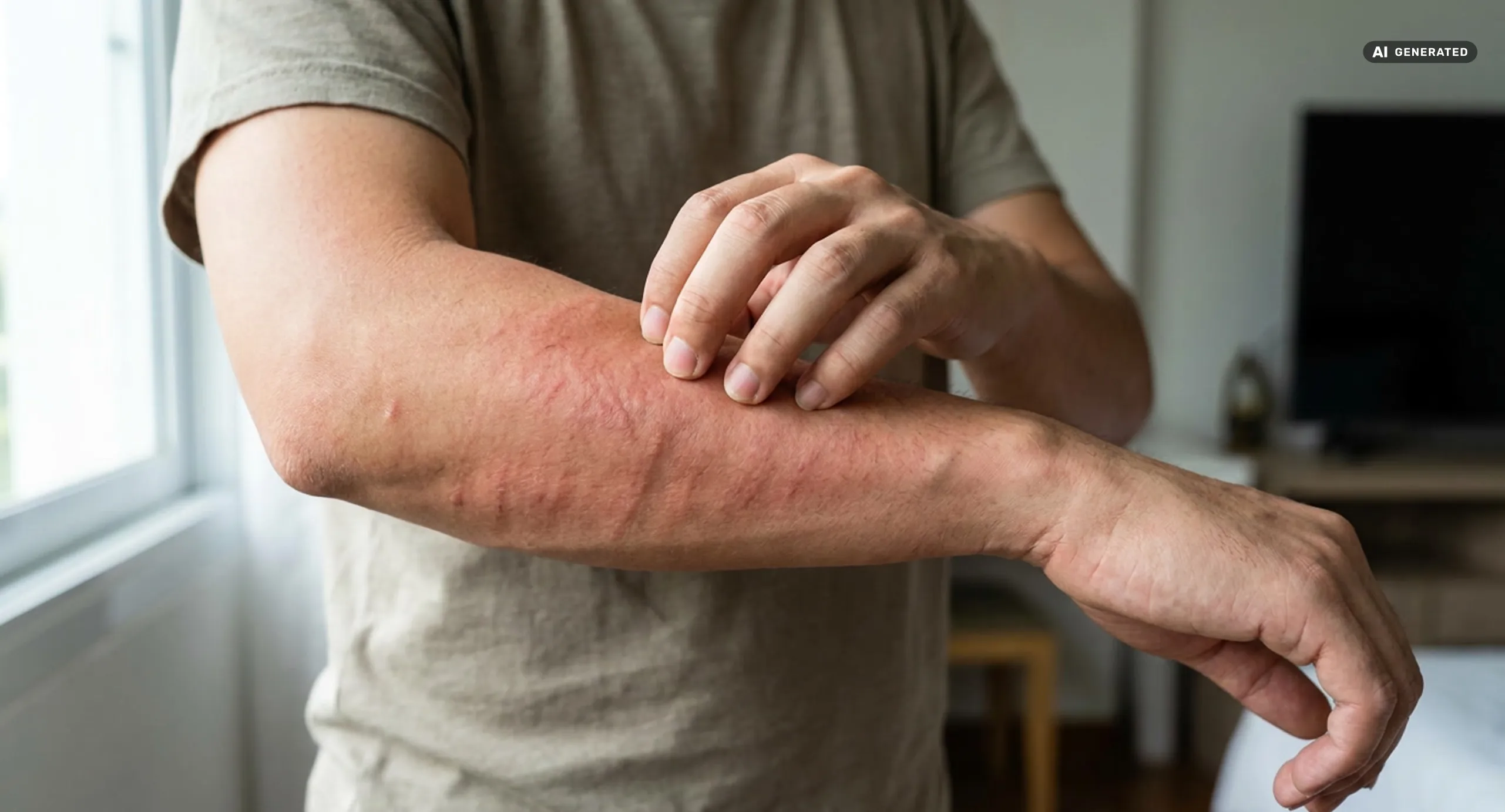
Below are some of the most common symptoms of a bug bite or sting:

Pain – There is often an initial shot of pain when the sting or bite first happens. This can feel sharp and quick.
Raised bumps on the skin – Bumps caused by a sting or bug bite could be red or discolored. There might be a single bump, or multiple bumps that form a line or cluster.
Itchiness – Itching is very common at the site of a bug bite or sting. You might also feel mild tingling or burning in the same area.
Swelling – Minor swelling could make the area around the bite or sting look puffy. Be aware that major swelling is normally a sign of something more serious.
Some stings and bites from more venomous animals, like black widow spiders, brown recluse spiders, and scorpions, have more severe reactions. If you notice any of the following symptoms, seek medical help immediately:
Excessive sweating
Nausea, vomiting, or cramping
Slurred speech
Excess saliva production
Numbness, pain, or stiffness
Sensitivity to light
There’s also a chance that you could have an allergic reaction to a bug bite or sting. No matter how common the bite or sting—if you’re allergic, you’ll need to seek medical attention as soon as possible. Below are symptoms of allergic reaction from a bug bite or sting:
Dizziness or fainting
Fast pulse
Hives
Muscle spasms
Nausea, vomiting, or diarrhea
Seizures
Swelling of the tongue or throat
Trouble breathing or swallowing
Wheezing 1
WHY DO BUG BITES ITCH?
Ever wondered why getting bitten by a mosquito makes you so itchy? It’s all down to a chemical called histamine, a substance created naturally in the body. When you get a bug bite, the bug’s saliva enters your skin, which your immune system recognizes as a foreign material. It reacts by sending histamine to the site of the bite to get rid of the invading substance. Histamine causes itching as your body fights back at the bug bite. 1
DIFFERENT TYPES OF BUG BITES AND STINGS
There are lots of bugs in the world, and they vary depending on location and climate, but certain types of bug bites and stings tend to be more common than others. Below are some different types of bug bites and stings and the key things you need to know about them:
|
Types of bug bites or stings |
Appearance |
Symptoms |
Treatment |
| Bed Bugs | Raised skin resembling a pimple.
Bumps in a line or pattern Blisters containing clear fluid |
Itching
Burning Mild pain |
Wash bites with soap and water. Bed bugs that swell and itch can be treated with a hydrocortisone cream for bed bug bites. 2 |
| Mosquito | Raised circular bump on the skin.
A dark spot in the centre of the bump where the bite occurred. |
Itchy skin
Possible allergic reaction (hives, swollen throat, faintness). Symptoms of an infectious disease carried by mosquitos. |
Apply a topical anti-itch cream for mosquito bites and take an antihistamine to prevent itching.
Seek medical help if more serious symptoms occur. Prevent mosquito bites using insect repellant containing DEET. 3 |
| Flea | Small discoloured bumps often below the knee.
A discoloured ring around the bump. Bumps in a straight line or cluster. |
Itchy, irritated skin
Possible allergic reaction (hives, shortness of breath, swelling) Symptoms of an infectious disease carried by fleas |
Use an over-the-counter hydrocortisone cream for flea bites and antihistamines to treat the itching. Try not to scratch the bites. 4 |
| Bee | Skin discolouration
A bump under the skin A dot mark where the stinger pierced the skin |
Sharp, burning pain
Swelling Itching Possible allergic reaction (hives, swelling of the throat, difficulty breathing) |
Remove the stinger and clean the wound with soap and water. USe ice to treat swelling and use antihistamine and pain medication to relieve symptoms.
Seek medical help immediately if you see signs of allergic reaction. If you already know you have an allergy to bee stings, use your EpiPen. 5 |
| Wasp | Redness around the sting
Bump on the skin A dot mark where the stinger pierced the skin |
Pain
Swelling Itching Possible allergic reaction (hives, swelling of the throat, difficulty breathing) |
Use over-the-counter antihistamine and hydrocortisone cream.
If you have an allergy to wasp stings, use your EpiPen. If you notice signs of an allergic reaction, seek medical help immediately. Also seek medical attention if you have multiple yellow jacket wasp stings as these can cause additional complications.* 6 |
| Ant | Pimple-like bump on the skin
Redness Blisters (fire ant) |
A sharp pinch
Itching Pain or burning |
Wash the area with antibacterial soap to prevent infection. If there is swelling, ice can be used to reduce it. Painkillers can reduce pain while a hydrocortisone cream can help to reduce itching. 7 |
| Spider | Redness
Bump on the skin Blister Fang marks |
Sharp pinprick feeling
Pain Swelling More severe symptoms from black widow, brown recluse and hobo spiders: Trouble breathing Severe headache Muscle cramps |
Most spider bites can be treated by gently cleaning the area, applying a cold damp washcloth, and treating with over-the-counter antihistamine and pain relief.
If you experience more severe symptoms or think you may have been bitten by a black widow, brown recluse or hobo spider, seek medical attention quickly. You may need an antivenom or other treatment. 8 |
| Tick | Often no visible sign
Rash that looks like a circle or bulls eye A bump on the skin A tick attached to the skin |
Itching
Symptoms of tick-borne illnesses: Fever Chills Muscle pain Headaches Tiredness Nausea and vomiting Swollen lymph nodes** |
Remove the tick and clean the area. Take photos of the tick and wound, and if possible keep the tick in a container.
See a medical expert if you experience more severe symptoms, experience pain at the site of the bite, develop a rash, or develop flu-like symptoms. Antibiotics or antiparasitics can be used to treat some tick-borne illnesses. Others have no treatment. 9 |
BUG BITE TREATMENT
Most bug bites or stings can be treated easily at home, with a few exceptions: If you think you’ve been stung or bitten by a scorpion, brown recluse or black widow spider, get medical attention as soon as possible. If you have a known allergy and your doctor has already prescribed you an EpiPen, use it as directed and seek medical attention.
Below is some general first aid information for at-home bug bite relief to stop bug bites itching:
Remove the stinger – check if the bug has left a stinger under your skin. If so, this should be removed to prevent more venom from entering the wound. Use a credit card to gently push the sting out.
Remove the bug – If the bug is still sitting on you, you might need to shake out your clothes. In the case of a tick bite, you might need to use tweezers to remove the tick from underneath your skin.
Clean the wound – Gently clean the area with soap and water to prevent an infection in the broken skin.
Use a cold compress for swelling and pain – If the area is swollen you can use a cold washcloth or icepack to help reduce the swelling. This can also help to ease pain symptoms.
Use over-the-counter pain killers – medicines like NSAIDs are effective for managing the pain or aching of a bug bite or sting. 1
HOW TO STOP BUG BITES ITCHING
Many different types of bug bites can leave you with itchy skin, and while it can be difficult to resist, it’s important to try not to scratch them—this can not only make the itching worse but can break the skin and lead to infection. So, if you can't scratch them, how do you stop bug bites itching? There are a number of over-the-counter treatments available for bug bite relief, including:
Antihistamines: These work by suppressing your body’s histamine response to reduce its reaction to the sting or bite.
Hydrocortisone: This is a topical steroid, also used for eczema, that decreases the itch associated with bug bites and stings.
Aloe vera: Gels made from extracts of the aloe vera plant are known for their cooling and soothing effects. 1
HYDROCORTISONE CREAM FOR BUG BITES
If you’re struggling with an itchy bite or sting, an over-the-counter hydrocortisone treatment can help stop the itching and soothe the skin to give you some much-needed relief. When applied topically it helps to reduce itching caused by a bug bite or sting. 10 Hydrocortisone cream for bug bite relief is available in different forms to suit your needs, including:
Cortizone-10® Maximum Strength 1% Hydrocortisone Ultra Soothing Itch Relief Cream – a soothing moisturizing cream containing the maximum over-the-counter hydrocortisone strength.
Cortizone-10® Fast Acting Itch Relief Bug Bite Stick – This handy roll-on applicator with 1% hydrocortisone lets you treat bug bites on the go.
BUG BITE PREVENTION

If you’re headed outdoors there are lots of simple ways to reduce your chances of getting a bug bite or sting. Here are some practical tips for bug bite prevention:
If you’ll be in an area where bugs are expected—like near water where mosquitos live—make sure you apply bug spray, ideally one containing DEET.
Wear long sleeved tops and tuck your pants into your boots to prevent exposed skin when visiting wooded areas or long grass where ticks or other bugs could be lurking.
Steer clear of flowering plants and trees with ripe fruit, since these are a couple of things bees love.
Avoid applying perfume and using scented soaps when you’re getting ready to head outdoors.
Bees are attracted to bright colors and flowered prints, so keep your wardrobe neutral if bees are a concern.
If you get caught in or near a swarm, move away with slow, deliberate movements. Do not try to swat bees as this could aggravate them and encourage a sting.
Check firewood for spiders before picking it up or bringing it indoors.
Cover up food at picnics to prevent attracting bees. 1
WHEN TO SEE A DOCTOR
While most bug bites and stings can be managed at home with over-the-counter bug bite relief, there are some situations where you should seek medical attention, including:
If you suspect you’ve been stung or bitten by a scorpion, brown recluse or black widow spider.
If you have a known allergy.
If you suffer multiple bee or wasp stings.
If you have a bite or sting near your eye.
If you experience severe itching or swelling.
If you have open wounds due to itching.
If your symptoms worsen or do not relieve after a few days.
If you see signs of skin infection, like pus.
If you experience symptoms of insect-borne illnesses. 1
FAQS ABOUT BUG BITES
CAN YOU USE HYDROCORTISONE CREAM ON BUG BITES?
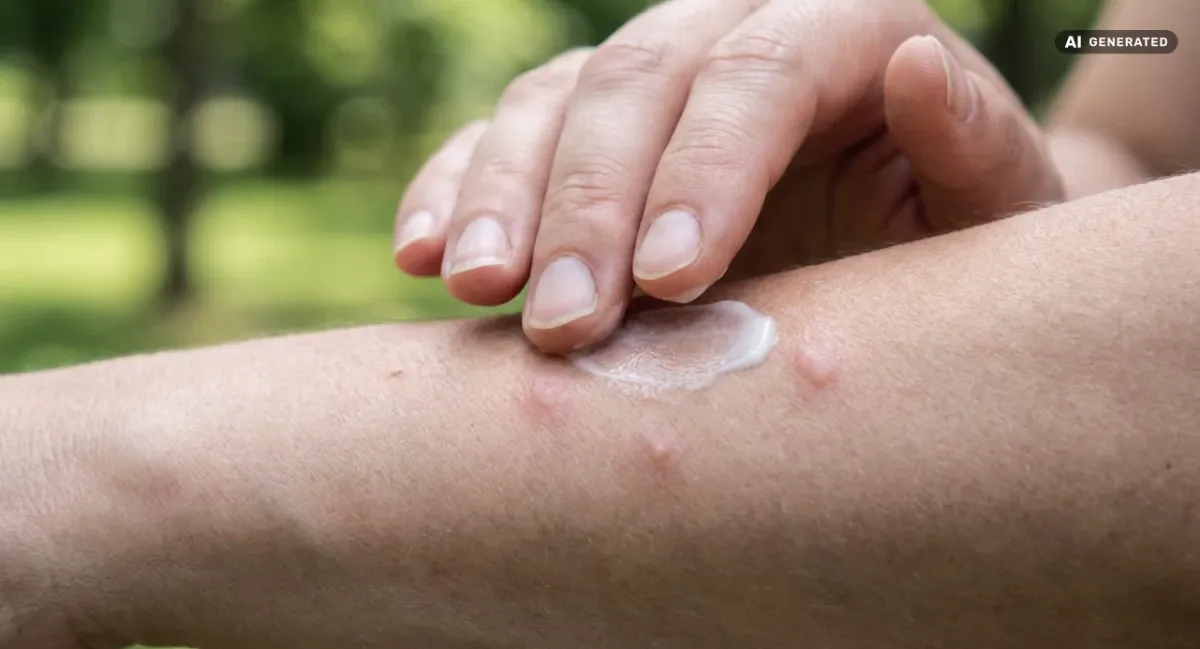
If you’re looking for advice on how to stop bug bites itching, hydrocortisone cream is a great choice. It is a topical steroid that helps to reduce itching caused by bug bites and stings. 10
WHY DO BUG BITES ITCH MORE AT NIGHT?
Bug bites could feel more itchy at night when there are no other distractions. Increased itching sensation during the night could also be caused by changes in your body when you sleep, such as: heightened body temperature, dry skin, hormonal changes. 11
WHY DO MOSQUITO BITES ITCH SO BADLY?
When a mosquito bites you, their saliva is secreted into your bloodstream. Your body recognizes this as an allergen and creates an immune response that sends a chemical called histamine to the area. It is histamine that makes the mosquito bite feel itchy. 3
WHAT BUG BITES BITE IN A LINE?
Fleas and bed bugs tend to bite the skin in a line. The resulting bite marks can help you to identify the culprit of the bites. Flea bites vs bed bug bites can often be identified by looking at location of the bites—bed bugs tend to bite the upper body more, whereas flea bites are more often on the lower parts of the body. 12
HOW LONG DO BUG BITES ITCH?
The itching caused by a bug bite or sting usually subsides after a few days. The itching can normally be managed at home with over-the-counter antihistamines and hydrocortisone cream. 1
WHAT DO BUG BITES LOOK LIKE ON SKIN?
Different bugs leave different marks on the skin but, in general, a bug bite normally looks like a raised or swollen red area on the skin. There is often pimple-like marks and you might also see a pin point in the center where the bite or sting occurred. 1
WHAT BUG BITES CAUSE SWELLING?
Bites from spiders, as well as bees and wasps, can cause swelling. This can be managed by using a cool compress or ice pack. 1
IS IT OK TO SCRATCH A BUG BITE?
Although it can be hard to resist, it’s generally advised to avoid itching a bug bite as breaking the skin could cause infection. Instead, try to manage the itching sensation using an antihistamine and hydrocortisone cream. 1
REFERENCES:
- Cleveland Clinic. Bug Bites & Stings: Symptoms & Treatment. 2025 [cited 2026].
Available from: https://my.clevelandclinic.org/health/diseases/bug-bites - Cleveland Clinic. Bed Bugs and Bed Bug Bites. Cleveland Clinic Health Library; 2022 Oct 14 [cited 2026 Feb 24].
Available from: https://my.clevelandclinic.org/health/diseases/17847-bedbugs - Cleveland Clinic. Mosquito Bites. Cleveland Clinic Health Library; 2021 Oct 15 [cited 2026 Feb 24].
Available from: https://my.clevelandclinic.org/health/diseases/17695-mosquito-bites - Cleveland Clinic. Flea Bites. Cleveland Clinic Health Library; 2021 Aug 31 [cited 2026 Feb 24].
Available from: https://my.clevelandclinic.org/health/diseases/21718-flea-bites - Cleveland Clinic. Bee Sting. Cleveland Clinic Health Library; 22 Jun 2023 [cited 2026 Feb 24].
Available from: https://my.clevelandclinic.org/health/diseases/25093-bee-sting - Cleveland Clinic. Yellow Jacket Sting. Cleveland Clinic Health Library; 19 Feb 2024 [cited 2026 Feb 24].
Available from: https://my.clevelandclinic.org/health/diseases/yellow-jacket-sting - Cleveland Clinic. Ant Bites and Stings. Cleveland Clinic Health Library; 2021 Jul 12 [cited 2026 Feb 24].
Available from: https://my.clevelandclinic.org/health/diseases/22943-ant-bites - Cleveland Clinic. Spider Bites. Cleveland Clinic Health Library; 04/23/2024 [cited 2026 Feb 24].
Available from: https://my.clevelandclinic.org/health/diseases/16639-spider-bites - Cleveland Clinic. Tick Bites. Cleveland Clinic Health Library; 05 Jun 2025 [cited 2026 Feb 24].
Available from: https://my.clevelandclinic.org/health/diseases/7234-tick-bites - Cleveland Clinic. Hydrocortisone Cream, Lotion, Ointment, or Solution. Cleveland Clinic Health Library; [published c. 2023] [cited 2026 Feb 25].
Available from: https://my.clevelandclinic.org/health/drugs/18748-hydrocortisone-cream-lotion-ointment-or-solution - Cleveland Clinic. Itchy Skin at Night. Cleveland Clinic Health Library; 25 Oct 2022 [cited 2026 Feb 25].
Available from: https://my.clevelandclinic.org/health/diseases/24338-itchy-skin-at-night - Silver N, Chavoustie CT. Flea Bites vs. Bedbug Bites: Which Is It? Healthline; Updated 17 Dec 2024 [cited 2026 Feb 25].
Available from: https://www.healthline.com/health/flea-bites-vs-bed-bug-bites

