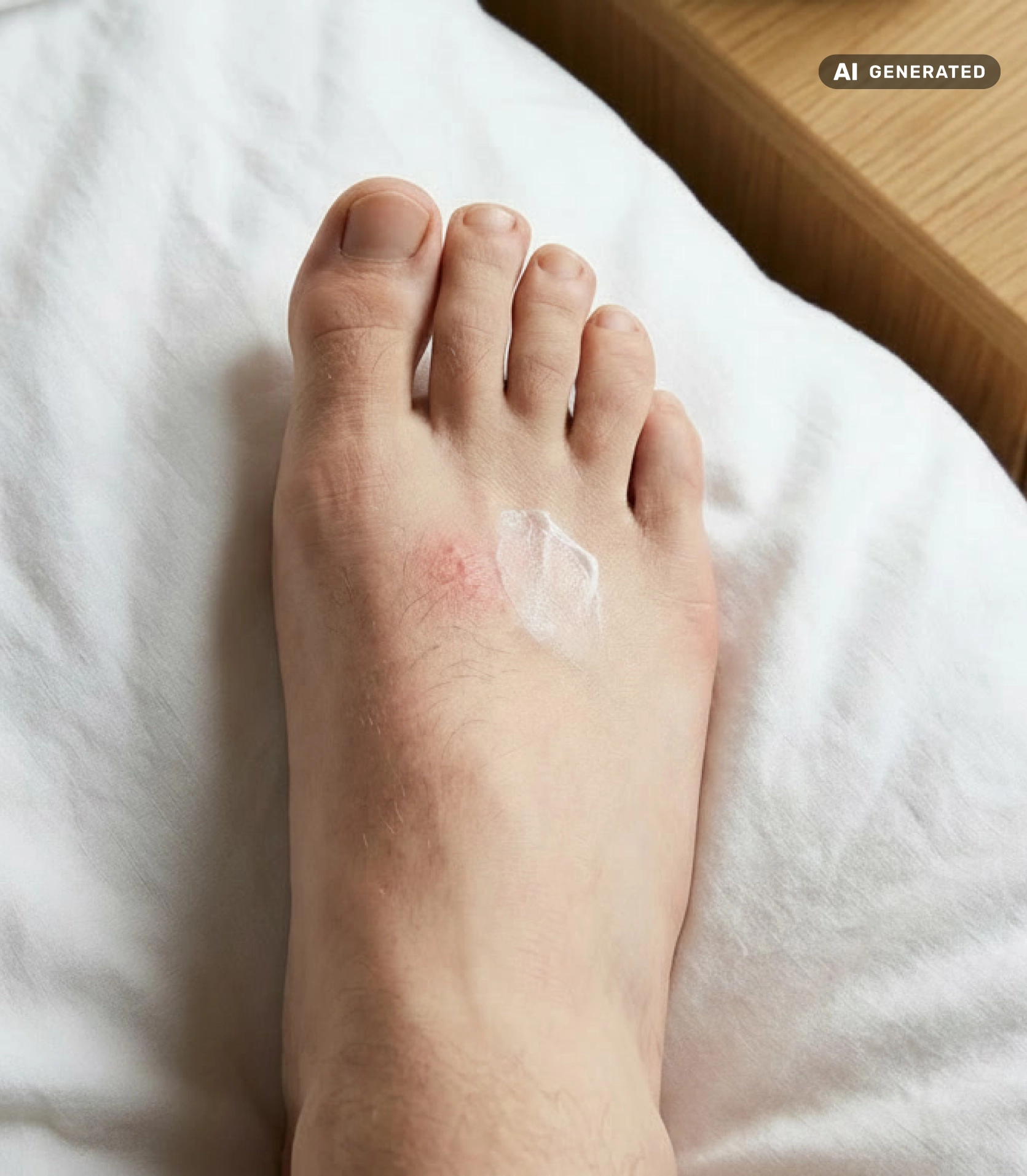
Topical Corticosteroids: uses, types, side effects & how they work
Topical corticosteroids are widely used to manage a range of skin conditions, offering relief from inflammation, redness, and itching. These medications are available over the counter in various forms, like corticosteroid creams and topical corticosteroids ointments. They are effective but come with certain considerations. This article explores what topical corticosteroids are, how they work, their uses, and their safety profile. As with all medicines, consult with a healthcare professional before use.
What are topical corticosteroids?
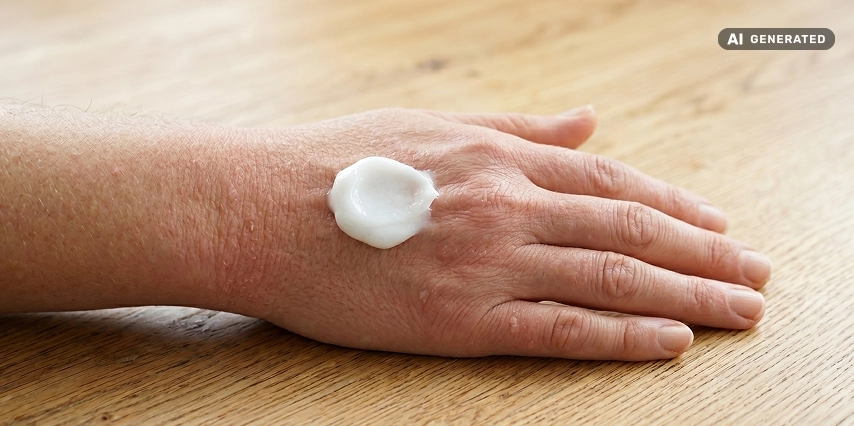
Topical corticosteroids, also known as topical steroids or glucocorticosteroids, are anti-inflammatory medications applied directly to the skin. They are designed to relieve conditions like eczema, dermatitis, and other inflammatory skin issues. Topical corticosteroids are available in several forms, including corticosteroids cream, topical corticosteroids ointment, and other solutions.1
Are glucocorticoids the same as corticosteroids?
While glucocorticoids and corticosteroids are often used interchangeably, there is a distinction. Glucocorticoids are a specific subgroup of corticosteroids. Both terms refer to synthetic medications that reduce inflammation, but glucocorticoids are more specific in their classification. Regardless of terminology, healthcare providers will recommend the appropriate medication for your condition.2
How do topical corticosteroids work?
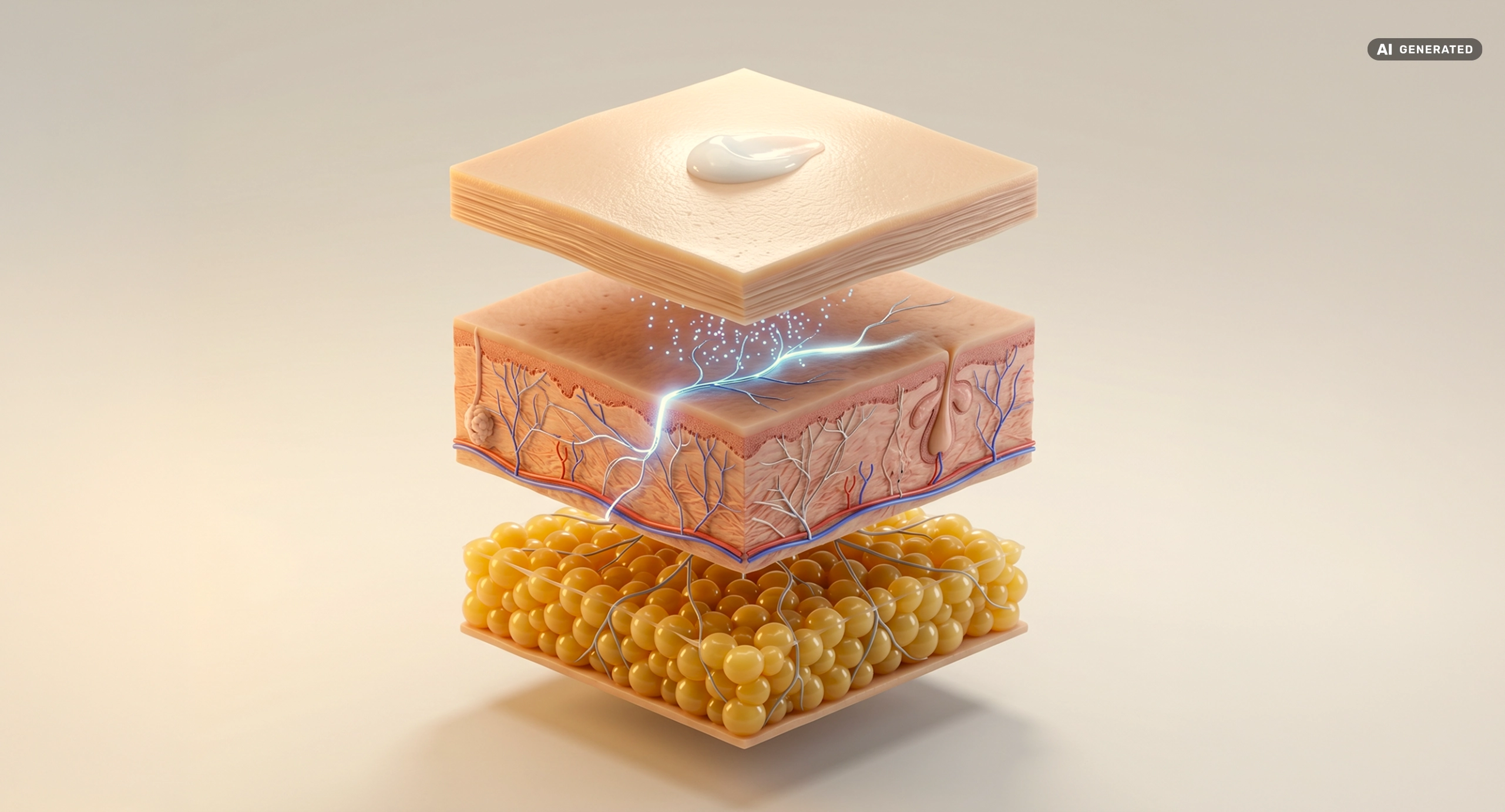
Topical corticosteroids alleviate symptoms like swelling, redness, and allergic reactions through multiple mechanisms. They work by:
.2022-03-22-14-17-31.svg)
Constricting blood vessels in the upper dermis, reducing the delivery of inflammatory mediators.
Inhibiting enzymes like phospholipase A2, which decreases the production of inflammatory chemicals such as prostaglandins and leukotrienes.
Acting on DNA to increase anti-inflammatory gene expression while suppressing pro-inflammatory genes.
Slowing down cell proliferation and collagen synthesis, which is particularly beneficial for conditions like psoriasis.3
What are topical corticosteroids used for?
Topical corticosteroids have a range of uses and play an important role in managing many dermatological conditions, they help to relieve the symptoms of skin conditions, including:
Inflamed skin
Painful skin
Itchy skin
Sore skin
Hot skin4
Autoimmune conditions
Corticosteroids are commonly prescribed for autoimmune diseases, conditions where the immune system mistakenly attacks the body. These medications help reduce inflammation and manage symptoms effectively. Conditions treated include:
Lupus
Rheumatoid arthritis
Vasculitis
Myositis 2
Skin conditions
Topical corticosteroids are a cornerstone treatment for many dermatological conditions. They effectively regulate immune responses and reduce skin cell overgrowth to address inflammation and itching for conditions like:
Severe inflammation and acute reactions
In cases of acute inflammation caused by allergies or injuries, corticosteroids act quickly to reduce swelling and pain. They work by slowing down the body’s production of the chemicals that cause inflammation.2
Types of topical corticosteroids
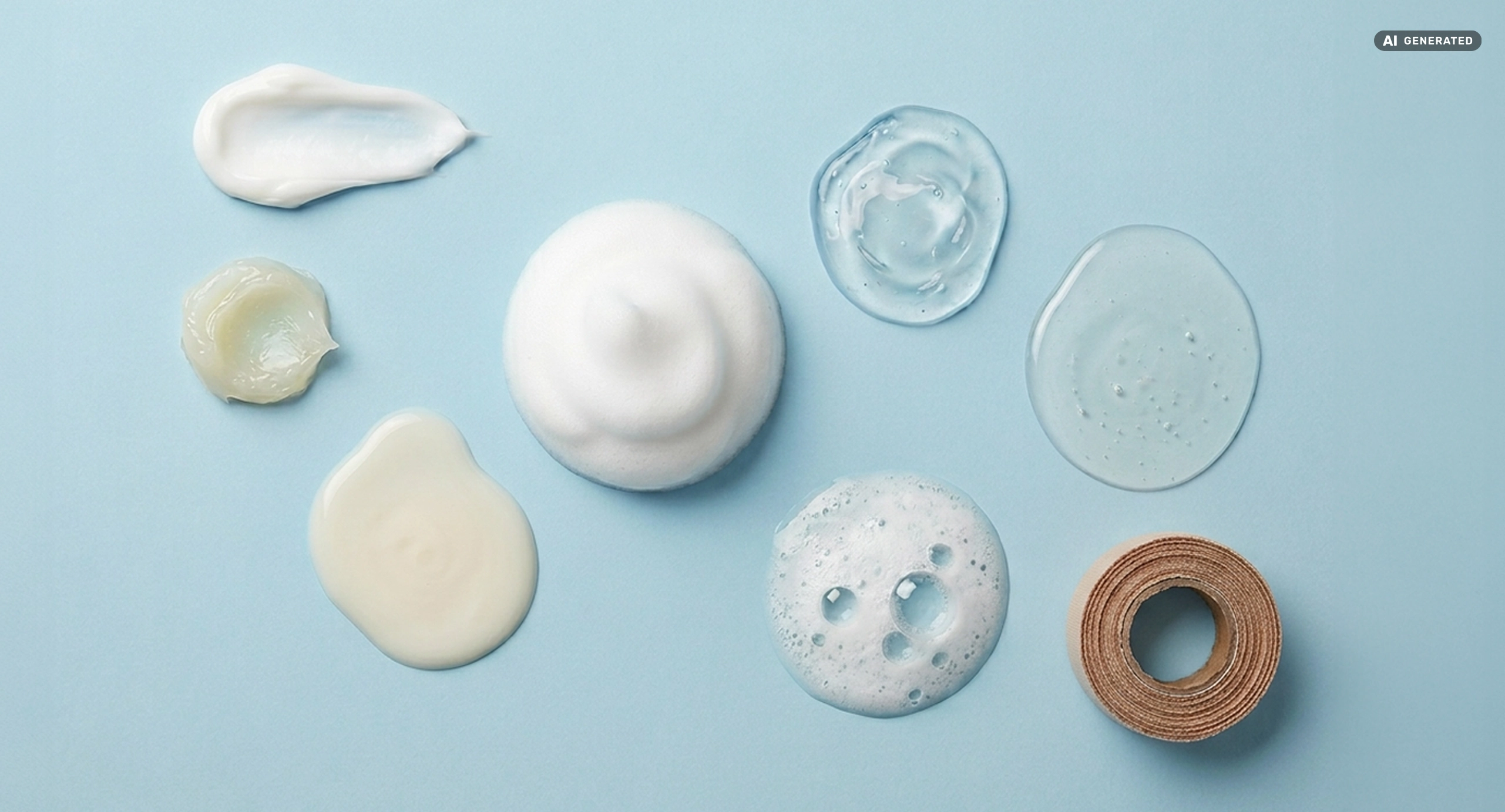
Topical steroid preparations are available in different forms and strengths, depending on the condition or part of your body that needs treatment. Topical corticosteroid is available in the following forms:
Corticosteroid cream
Corticosteroid ointment
Corticosteroid lotion
Corticosteroid foam
Corticosteroid gel
Corticosteroid mousse
Corticosteroid shampoo
Corticosteroid tape4
Topical Corticosteroids for Contact Dermatitis
Topical Corticosteroids are the main treatment given for contact dermatitis, with the strength of the corticosteroid depending on the affected area. Stronger formulations are used for severe cases on the hands, while milder options are suitable for sensitive areas like the face. Long-term use of potent corticosteroids is discouraged due to potential side effects like skin thinning.5
Topical Corticosteroids for Dyshidrotic Eczema
First-line treatment for dyshidrotic eczema usually involves topical corticosteroids like betamethasone or clobetasol. Severe cases may require oral or injectable medications. While episodes often resolve on their own, corticosteroids can speed up recovery and reduce discomfort.6
Topical Corticosteroids for Psoriasis
Psoriasis treatment often involves topical corticosteroids to control inflammation and reduce symptoms like redness and scaling. These medications come in various strengths, from mild to super-potent, and may be combined with other treatments like calcipotriene to enhance effectiveness. Common types include:
Clobetasol propionate
Halobetasol propionate
Desoximetasone
Betamethasone dipropionate
Fluocinolone acetonide
Hydrocortisone7
Topical corticosteroids examples
There is a range of topical corticosteroid medicines available. The table below outlines topical corticosteroids examples, including the application type and medicine name:
|
Application type |
Medicine name |
|---|---|
| Steroid nasal sprays and drops | Beclometasone nasal spray Betamethasone for eyes, ears and nose Budesonide nasal spray Fluticasone nasal spray and drops Mometasone nasal spray |
| Steroid injections | Hydrocortisone injections |
| Steroid creams, lotions, gels, rectal foam, enemas and ointments | Beclometasone skin cream Betamethasone for skin Budesonide rectal foam and enemas Clobetasol Clobetasone Fluticasone skin creams Hydrocortisone for skin Hydrocortisone for piles and itchy bottom Mometasone for skin Steroid eye and ear drops or ointment |
| Steroid eye and ear drops or ointment | Betamethasone for eyes, ears and nose Dexamethasone eye drops 8 |
Short-term side effects
Temporary, short term side effects that might occur due to use of topical corticosteroids may include:
Stinging or irritation upon application – particularly on inflamed or broken skin.
Allergic reactions to the steroid or its ingredients — rare but also possible.1
Long-term side effects
Prolonged use of potent corticosteroids can lead to more serious, long-term side effects, including:
Skin thinning
Stretch marks
Increased susceptibility to bruising
In rare cases, conditions like Cushing syndrome1
FAQs about topical corticosteroids
Can you buy corticosteroids over the counter?
Mild topical corticosteroids are available over the counter, without a prescription. These include 1% hydrocortisone cream and clobetasone butyrate 0.05%, which are suitable for minor skin conditions but should be used as directed.9
Who should avoid taking corticosteroids?
Corticosteroids may not be suitable for individuals with conditions like diabetes, high blood pressure, or osteoporosis, as they can worsen these issues. Always consult a healthcare provider before starting treatment.2
Are corticosteroids steroids?
Corticosteroids are a type of steroid, specifically designed to mimic hormones produced by the adrenal glands. They are distinct from anabolic steroids, which are used for muscle building.2
SOURCES:
1. Oakley A. Topical steroids (corticosteroid creams) [Internet]. DermNet NZ; 2016 [cited 2026 Mar 18]. Available from: https://dermnetnz.org/topics/topical-steroid
2. Cleveland Clinic. Corticosteroids (glucocorticoids): Definition & side effects [Internet]. Cleveland (OH): Cleveland Clinic; 2024 [cited 2026 Mar 18]. Available from: https://my.clevelandclinic.org/health/treatments/corticosteroids-glucocorticoids
3. Gabros S, Nessel TA, Zito PM. Topical corticosteroids [Internet]. In: StatPearls. Treasure Island (FL): StatPearls Publishing; 2026 [updated 2025 Apr 26; cited 2026 Mar 18]. Available from: https://www.ncbi.nlm.nih.gov/books/NBK532940/
4. National Eczema Society. Topical steroids (topical corticosteroids) [Internet]. London (UK): National Eczema Society; 2026 [cited 2026 Mar 18]. Available from: https://eczema.org/information-and-advice/treatments-for-eczema/topical-corticosteroids/
5. Kim BS, James WD. Atopic dermatitis (eczema): Treatment & management [Internet]. Medscape; 2024 [cited 2026 Mar 18]. Available from: https://emedicine.medscape.com/article/1049216-treatment
6. Fisher J. Dyshidrotic eczema: Effective management strategies [Internet]. Boston (MA): Harvard Health Publishing; 8 Mar 2024 [cited 2026 Mar 18]. Available from: https://www.health.harvard.edu/diseases-and-conditions/dyshidrotic-eczema-effective-management-strategies
7. National Psoriasis Foundation. Topical steroids for psoriasis [Internet]. Portland (OR): National Psoriasis Foundation; 2025 [cited 2026 Mar 18]. Available from: https://www.psoriasis.org/steroids/
8. NHS. Steroids [Internet]. London: National Health Service; 2025 [cited 2026 Mar 18]. Available from: https://www.nhs.uk/medicines/steroids/
9. University Hospitals. Understanding steroid‑related weight gain [Internet]. Cleveland (OH): University Hospitals; 12 May 2023 [cited 2026 Mar 18]. Available from: https://www.uhhospitals.org/blog/articles/2023/05/understanding-steroid-related-weight-gain
RELATED ARTICLES

GET OUTDOORS
Don’t let those pesky itch-causers ruin your outdoor fun. Read about some of the ways you can make your outdoor environment free of things that can cause skin irritation and itching.

SCRATCHING THE SURFACE
Get the ins and outs of itch. Learn about the types and causes, how to avoid it, and how to relieve it.