
DERMATITIS: TYPES, SYMPTOMS, CAUSES, AND TREATMENT
Dermatitis affects millions of people in the US1 and can range from mild discomfort to severe symptoms. This guide covers the main types of dermatitis, dermatitis causes, and information about dermatitis treatment. If you’re concerned about your skin, or suspect you might have dermatitis, consult with a healthcare professional for advice.
WHAT IS DERMATITIS?
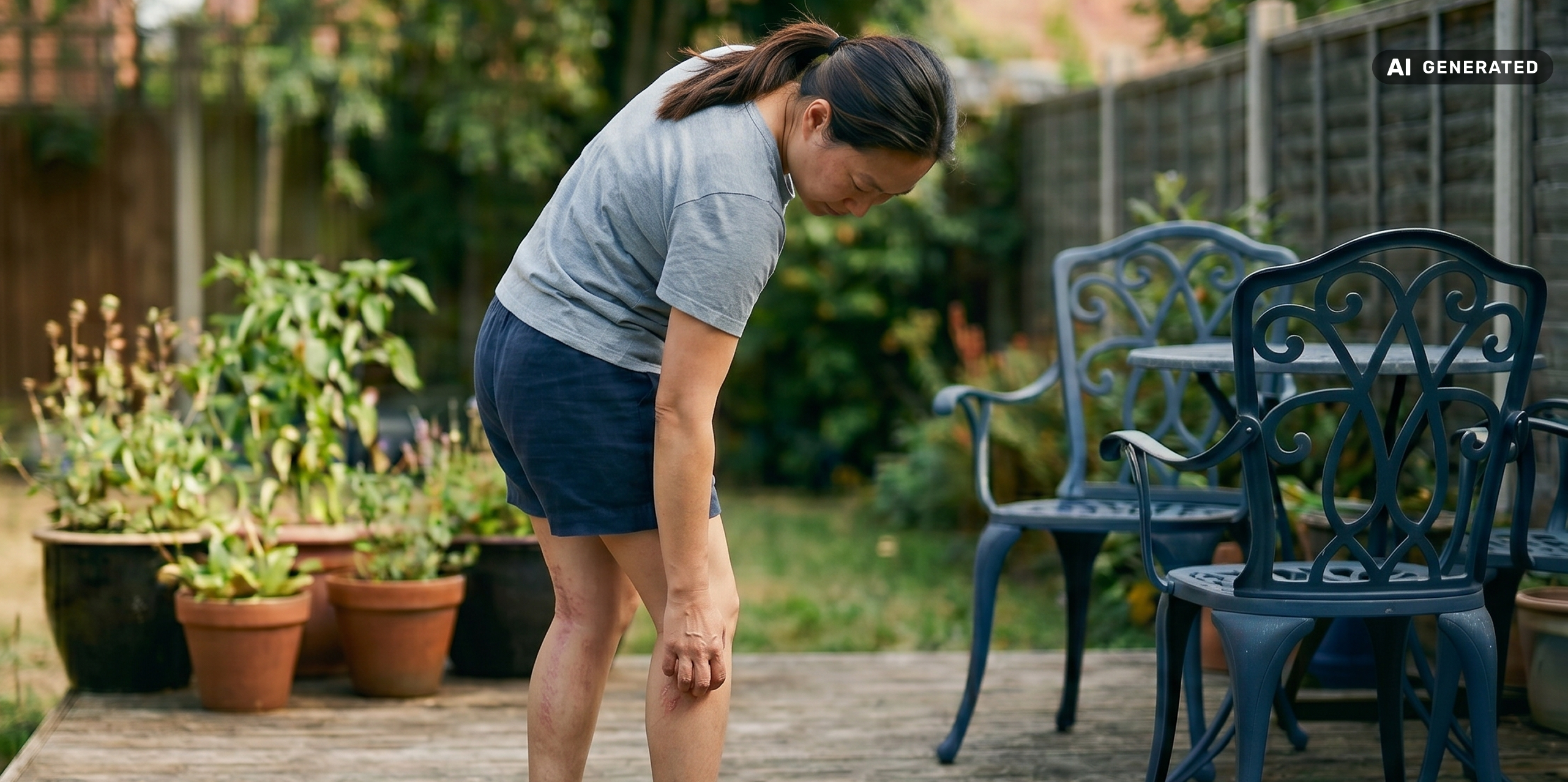
Dermatitis is a common condition that causes swelling and irritation of the skin. It can have many different causes and forms, often resulting in itchy, dry, skin or a rash. It may also cause blistering, oozing, crusting, or flaking.2
DERMATITIS VS ECZEMA: WHAT'S THE DIFFERENCE?
The terms "dermatitis" and "eczema" are often used interchangeably, though there is a distinction between them:
.2022-03-22-14-17-31.svg)
Eczema technically refers to a specific group of conditions—most notably atopic dermatitis, which is the most common form of eczema.3
Dermatitis is a broader term that refers to any inflammation of the skin.
When trying to decipher dermatitis vs eczema, the terminology can be confusing because often doctors or researchers use “eczema” and “atopic dermatitis” to mean the same thing.4
TYPES OF DERMATITIS

Although atopic dermatitis is the most common, there are several types of dermatitis that have different triggers and symptoms.
ATOPIC DERMATITIS (ECZEMA)
Atopic dermatitis is the most common form of dermatitis and affects about 16.5 million adults in the U.S, with 6.6 million meeting criteria for moderate to severe disease. Approximately 9.6 million children in the U.S. under age 18 are affected, and about one-third of these cases are moderate to severe.1
It is a chronic condition that often begins in childhood and tends to run in families, suggesting a strong link to genetics and immune system overactivity. Atopic dermatitis causes dry, itchy, and discolored patches of skin, which can flare up or subside throughout a person's life. Affected skin can become uncomfortable and intensely itchy, and scratching may lead to swelling, cracking, crusting, and scaling. Sometimes, the rash may even “weep” a clear fluid.5
For a more detailed overview of eczema, read our guide to eczema here
CONTACT DERMATITIS
Contact dermatitis is a rash that appears when your skin comes into contact with something irritating or something you are allergic to. The resulting rash can become red, swollen, itchy, and uncomfortable. Contact dermatitis occurs as your skin reacts to a substance, object, organism, or chemical in your environment, causing inflammation. There are two main types of contact dermatitis:
Allergic contact dermatitis develops when your body has an allergic reaction to a substance—such as metals in jewelry (like nickel), cosmetic products, fragrances, or preservatives. The itchy rash may appear several days after exposure.6
Irritant contact dermatitis is a painful rash that arises quickly after skin is exposed to irritating substances like detergents, soaps, cleaners, or acids. This form is more common than allergic contact dermatitis.6
SEBORRHEIC DERMATITIS
Seborrheic dermatitis is another common skin condition that causes itchy, flaky, and scaly patches, most often on the scalp, face, and areas of the skin with many oil glands. On the scalp of adults and teens, it is usually referred to as dandruff. In infants, it is commonly called cradle cap, causing yellowish scales and a rash on the baby’s scalp, typically resolving on its own within the first year of life without treatment.7
OTHER TYPES OF DERMATITIS
Other types of dermatitis include:
Dyshidrotic dermatitis: This type causes tiny, itchy blisters to appear on the hands and feet, which may crack and peel as they heal. Triggers can include allergies, stress, and having moist or sweaty hands and feet.8
Nummular dermatitis: Also known as nummular eczema, this condition leads to raised, round, coin-shaped patches on the skin that are often itchy, may ooze clear fluid, and can become crusty. Though it usually responds well to treatment, flare-ups may recur. Consistent skincare can help reduce their frequency and severity.9
Stasis dermatitis: This form develops on the lower legs due to poor blood flow and pooling of blood, often seen in older adults or those with vein problems. Also called gravitational dermatitis or venous eczema, stasis dermatitis can indicate underlying issues like kidney or heart disease and may require addressing the underlying circulation problem as well as the skin irritation.10
DERMATITIS SYMPTOMS
Dermatitis symptoms vary depending on the type and severity of the condition. Common symptoms to look out for include:

Persistent itchiness, which can sometimes be painful
Dry skin that can crack
Rash
Blisters that may ooze and crust over
Dandruff or flaking, especially on the scalp
Thickened or leathery areas of skin
Uneven skin2
WHAT DOES DERMATITIS LOOK LIKE?
Dermatitis can appear differently based on skin tone. It often looks like:
Rash on swollen skin that may look red, purple, brown, or gray depending on your skin color
Dry, cracked, or scaly skin (more common on lighter skin)
Small, raised bumps (frequently seen on brown or black skin)2
Common areas of the body affected by dermatitis include:
Dermatitis on the elbows
Dermatitis behind the knees
Dermatitis on the scalp (seborrheic dermatitis)
Dermatitis on the face
Dermatitis on the hands11
WHAT CAUSES DERMATITIS?
A dermatitis flare up is caused by a ‘trigger’. Triggers can vary greatly from person-to-person and depending on the type of dermatitis, including immune system activation, genetics, and environmental triggers.11
COMMON TRIGGERS
Understanding common triggers for dermatitis can help you better manage flare-ups. Here are some of the most common types of triggers:
Scratching: Repeated scratching can damage the skin, increase inflammation, and sometimes cause bleeding or infection. The persistent itch-scratch cycle is difficult to break and can even be worsened by emotional stress.
Hot water: Taking long, hot showers or baths can dry out the skin and make dermatitis symptoms worse. Cooler, shorter baths are less irritating for sensitive skin.
Cold, dry temperatures: Dry air and chilly weather can remove moisture from the skin, leading to increased dryness and itchiness, especially during seasonal changes.
Sweating: Sweating can leave a salty residue on the skin and aggravate symptoms.
Soaps: Many personal hygiene products—including soap, shampoo, and cleansers—can strip away natural oils and irritate sensitive skin.
Fragrances: Fragrances in soaps, lotions, laundry detergents, and household products are common triggers for dermatitis.
Chemical sunscreen: Certain ingredients in chemical sunscreens may irritate sensitive or eczema-prone skin.
Wool and synthetic fabrics: Fabrics like wool and polyester can irritate the skin, while cotton and bamboo tend to be gentler.
Pollen, mold, and dust: Environmental allergens such as pollen, mold, and dust mites can trigger or worsen symptoms.
Bacterial and viral infections: Skin infections can worsen dermatitis symptoms and make flare-ups more likely, especially if scratching breaks the skin and lets germs in.
Hormones: Hormonal changes, such as those during menstruation or pregnancy, can cause eczema symptoms to flare in some people.
Food allergies: While not always a direct cause, food allergies may trigger or worsen dermatitis in some children and adults.12
CAN STRESS CAUSE DERMATITIS?
While emotional stress doesn't directly cause dermatitis, it can make symptoms worse and set off flare-ups. Managing your stress levels through relaxation techniques, exercise, or creative activities can help reduce the frequency and severity of dermatitis symptoms.12
DERMATITIS TREATMENT
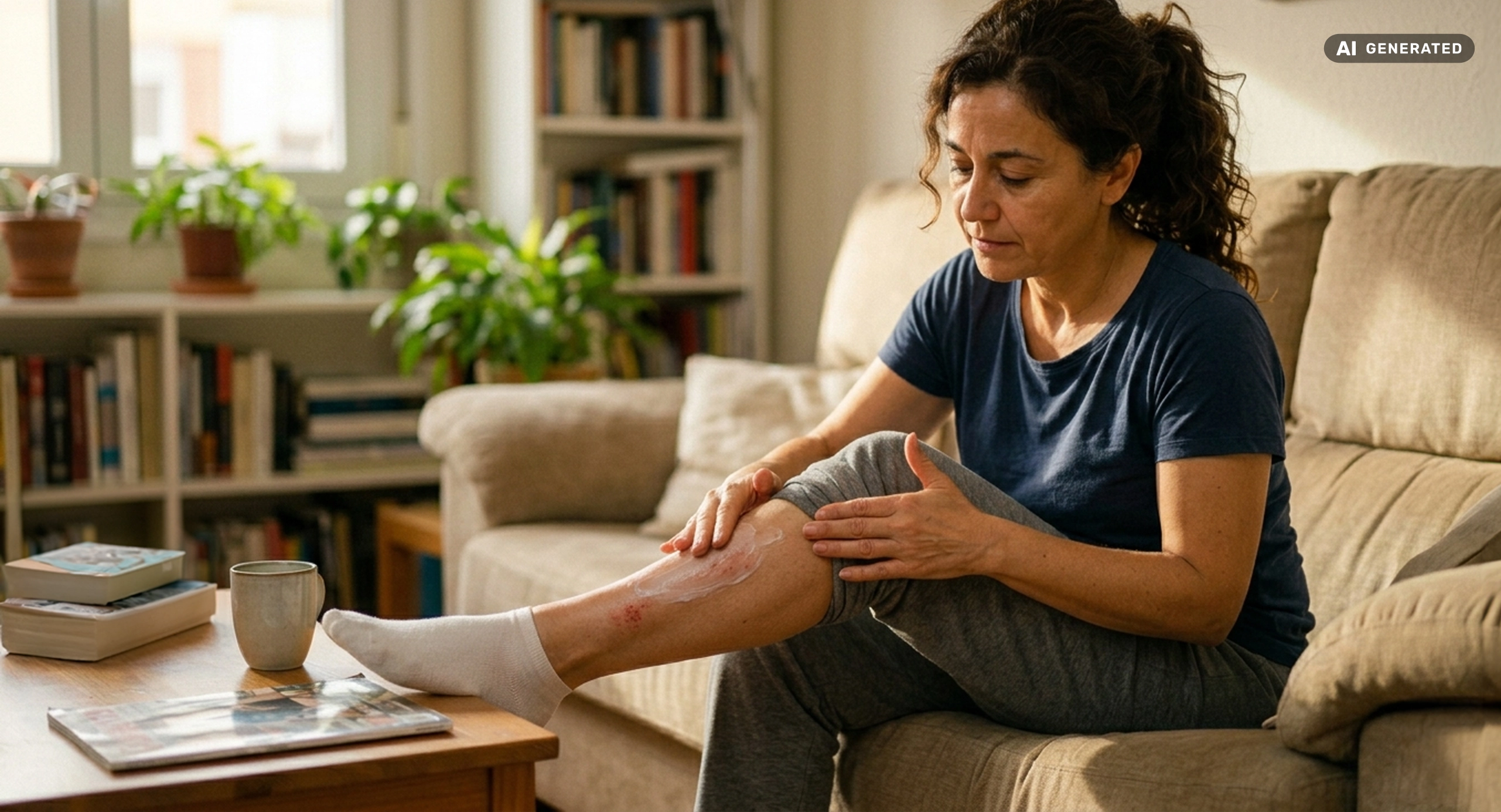
Dermatitis treatments vary depending on the type and severity. Many cases can be managed at home with over-the-counter dermatitis treatments and trigger prevention.
OVER-THE-COUNTER TREATMENTS
Over-the-counter (OTC) treatments can play a helpful role in managing dermatitis symptoms.
Hydrocortisone –Topical hydrocortisone cream for dermatitis is one of the most common and accessible options, and the most recommended anti-itch ingredient by dermatologists. It is a mild steroid that reduces itching due to minor irritations and inflammation when applied to affected areas. It is usually used a few times a day for up to a week.
Antihistamines – Antihistamines work by blocking histamine in the body to decrease allergy-related symptoms like itching and inflammation. Some antihistamines can also help with sleep if itching is disrupting rest.13
Cortizone-10® has a range of products that effectively relieve itching caused by seborrheic dermatitis.
WHEN TO SEE A DOCTOR
If you’re suffering from itchy or sore skin, it doesn’t hurt to see a doctor before your symptoms become too uncomfortable—that way you can access the treatment you need to start feeling better. Contact your healthcare provider as soon as possible if:
If you suspect an infection
The discomfort is affecting your daily tasks or sleep
Your symptoms continue after at-home treatment
If you’re in a lot of pain2
FAQS ABOUT DERMATITIS

IS DERMATITIS CONTAGIOUS?
Dermatitis is not contagious. You can’t catch it from being near somebody who has it.2
HOW LONG DOES DERMATITIS LAST?
The symptoms of dermatitis cannot be cured, but it can be effectively managed by reducing triggers to prevent flare ups.11
IS DERMATITIS THE SAME AS ECZEMA?
Dermatitis is a broad term that covers a range of inflammatory skin conditions. The most common form of dermatitis is atopic dermatitis, which is also known as eczema. 3
CAN STRESS CAUSE DERMATITIS?
While stress isn’t a direct cause of dermatitis, it can exacerbate symptoms and make flare ups worse.12
IS DERMATITIS AN AUTOIMMUNE DISEASE?
Dermatitis is not considered an autoimmune disease as it is not caused by the immune system attacking the body’s healthy tissues, rather it is triggered by factors ranging from genetics to environmental triggers.15
CAN YOU TREAT DERMATITIS AT HOME?
Dermatitis can be treated at home with over-the-counter products including antihistamines and hydrocortisone anti itch creams for dermatitis.14
SOURCES:
1. National Eczema Association. Eczema facts [Internet]. Novato (CA): National Eczema Association; 2024 [cited 2026 Mar 11].
Available from: https://nationaleczema.org/eczema-facts/
2. Mayo Clinic Staff. Dermatitis (eczema) – Symptoms and causes [Internet]. Rochester (MN): Mayo Clinic; 2025 [cited 2026 Mar 11].
Available from: https://www.mayoclinic.org/diseases-conditions/dermatitis-eczema/symptoms-causes/syc-20352380
3. National Eczema Association. Eczema. National Eczema Association [Internet]. [cited 2026 Mar 23].
Available from: https://nationaleczema.org/eczema/
4. Healthline Editorial Team. Eczema and dermatitis: What’s the difference? [Internet]. Updated 28 Feb 2025 [cited 2026 Mar 11].
Available from: https://www.healthline.com/health/difference-between-eczema-and-dermatitis
5. Cleveland Clinic. Atopic dermatitis: Symptoms, causes & treatment [Internet]. Cleveland (OH): Cleveland Clinic; 2025 [cited 2026 Mar 11].
Available from: https://my.clevelandclinic.org/health/diseases/24299-atopic-dermatitis
6. Cleveland Clinic. Contact dermatitis: Symptoms, causes, types & treatments [Internet]. Cleveland (OH): Cleveland Clinic; 2023 [cited 2026 Mar 11].
Available from: https://my.clevelandclinic.org/health/diseases/6173-contact-dermatitis
7. Cleveland Clinic. Seborrheic dermatitis: Symptoms, causes & treatments [Internet]. Cleveland (OH): Cleveland Clinic; 2024 [cited 2026 Mar 11].
Available from: https://my.clevelandclinic.org/health/diseases/14403-seborrheic-dermatitis
8. Cleveland Clinic. Dyshidrotic eczema: Symptoms, causes & treatment [Internet]. Cleveland (OH): Cleveland Clinic; 2024 [cited 2026 Mar 11].
Available from: https://my.clevelandclinic.org/health/diseases/17728-dyshidrotic-eczema
9. Cleveland Clinic. Nummular eczema (nummular dermatitis): Symptoms, causes & treatment [Internet]. Cleveland (OH): Cleveland Clinic; 2024 [cited 2026 Mar 11].
Available from: https://my.clevelandclinic.org/health/diseases/22757-nummular-eczema
10. Mount Sinai. Stasis dermatitis – dermatology services [Internet]. New York (NY): Mount Sinai Health System; 2026 [cited 2026 Mar 11].
Available from: https://www.mountsinai.org/care/dermatology/services/eczema/stasis-dermatitis
11. Cleveland Clinic. Dermatitis: Types, symptoms, causes & treatment [Internet]. Cleveland (OH): Cleveland Clinic; 2024 [cited 2026 Mar 11].
Available from: https://my.clevelandclinic.org/health/diseases/4089-dermatitis
12. National Institute of Allergy and Infectious Diseases (US). Eczema causes and triggers. NIAID [Internet]. 2024 Nov 20 [cited 2026 Mar 23].
Available from: https://www.niaid.nih.gov/diseases-conditions/eczema-causes-and-triggers
13. National Eczema Association. Over‑the‑counter treatments for eczema [Internet]. Novato (CA): National Eczema Association; 2026 [cited 2026 Mar 11].
Available from: https://nationaleczema.org/treatments/over-the-counter/
14. Health.com. 13 things that may trigger atopic dermatitis flare‑ups [Internet]. 2017 [cited 2026 Mar 11].
Available from: https://www.health.com/condition/eczema/atopic-dermatitis-triggers
15. National Eczema Association. Is eczema an autoimmune disease? [Internet]. Novato (CA): National Eczema Association; 2026 [cited 2026 Mar 11].
Available from: https://nationaleczema.org/blog/is-eczema-autoimmune-disease/
RELATED ARTICLES

GET OUTDOORS
Don’t let those pesky itch-causers ruin your outdoor fun. Read about some of the ways you can make your outdoor environment free of things that can cause skin irritation and itching.

SCRATCHING THE SURFACE
Get the ins and outs of itch. Learn about the types and causes, how to avoid it, and how to relieve it.