What Is Hydrocortisone? Uses, Benefits, and How It Relieves Itch
Hydrocortisone is a trusted solution for relieving itchy, irritated skin, and the #1 doctor-recommended over-the-counter (OTC) anti-itch ingredient. Found in products like Cortizone-10, it provides fast, effective relief for a wide range of skin irritations. This article will explore what is hydrocortisone, hydrocortisone cream uses (including hydrocortisone for dermatitis and hydrocortisone for bug bites), and what makes it one of the best anti-itch creams available.
What is hydrocortisone?
Hydrocortisone is a mild corticosteroid that helps reduce inflammation and itching. It mimics cortisol, a hormone your body naturally produces, to calm your skin’s immune response. Over-the-counter hydrocortisone creams are typically available in a 1% concentration, which is the maximum strength you can purchase without a prescription.1
How does hydrocortisone work?
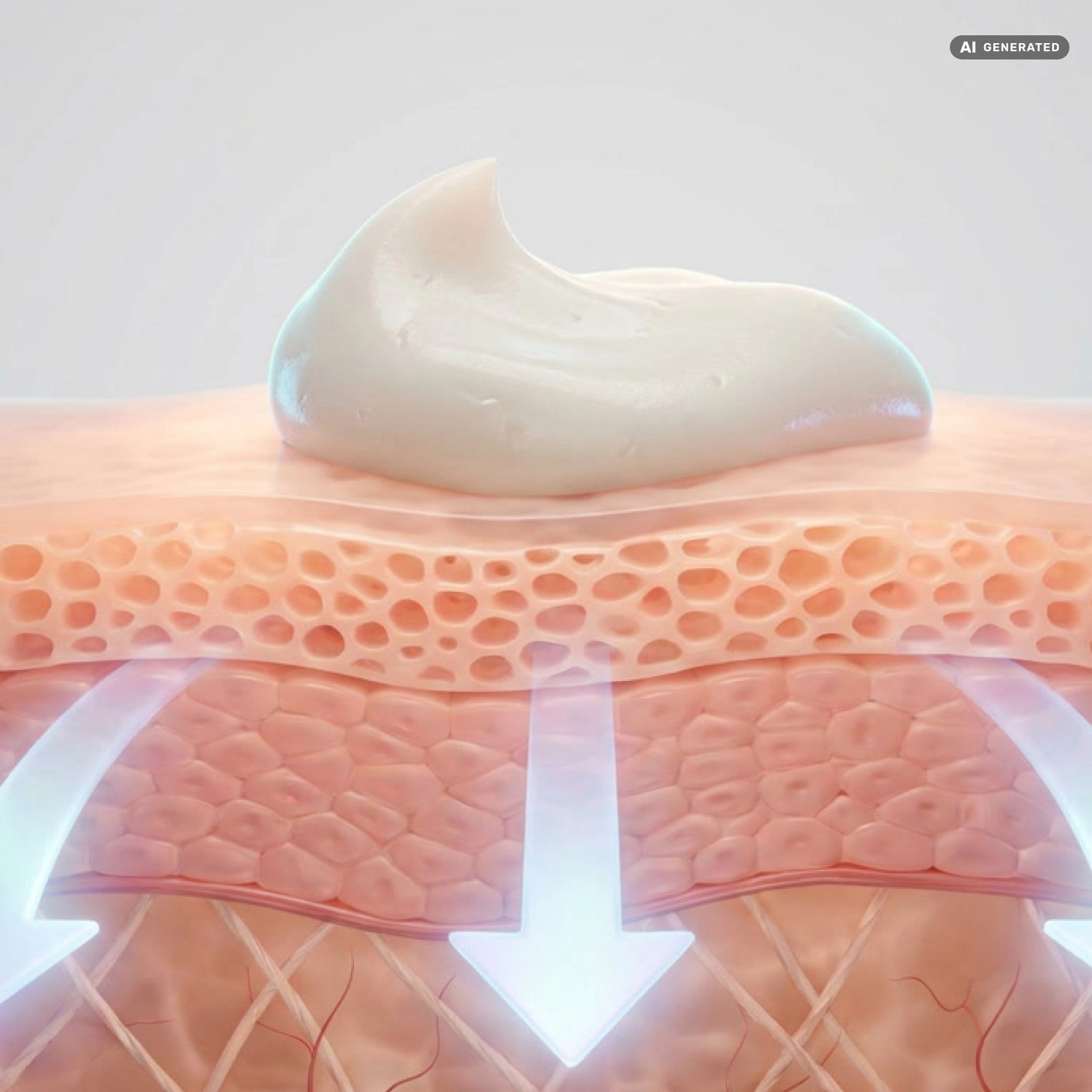
Hydrocortisone works by calming your body’s immune system's defense cells to reduce inflammation. When applied to the skin, it also narrows blood vessels in the affected area, which can further help reduce swelling and redness. This mechanism makes it effective for treating symptoms relating to a variety of skin conditions, from minor irritations to more persistent issues like eczema.2
Is hydrocortisone a steroid?
Hydrocortisone is a type of steroid, specifically a corticosteroid. (Read our guide to corticosteroids here.) However, it’s important to note that corticosteroids are different from anabolic steroids, which are associated with muscle building. Topical hydrocortisone products are available in a wide range of over-the-counter formats and have a well-established safety profile.3
What is hydrocortisone used for?
Hydrocortisone cream is a versatile treatment that addresses many common skin conditions.
Hydrocortisone for eczema and dermatitis
Hydrocortisone is a proven treatment for managing flare-ups of eczema and dermatitis. It effectively works by reducing the underlying inflammation that causes common symptoms like redness, swelling, and the intense, persistent itching associated with these skin conditions. By calming this inflammatory response, hydrocortisone helps restore comfort to the affected skin.4 Consult a healthcare professional if you suspect an underlying skin condition such as eczema or dermatitis.
Hydrocortisone for bug bites and poison ivy
Bug bites and contact reactions from plants like poison ivy can lead to an uncomfortable itch-scratch cycle. Hydrocortisone cream can break this cycle by calming the skin and reducing irritation. Applying a 1% hydrocortisone cream several times a day can provide effective relief until symptoms subside.5
Hydrocortisone for rashes and skin irritations
Hydrocortisone is also an effective treatment for minor rashes that develop from contact with common irritants such as cosmetics, detergents, or certain types of jewelry. Applying the cream to the affected area helps reduce the inflammation that causes these rashes. Additionally, it can help manage chronic skin conditions like psoriasis and seborrheic dermatitis, which are characterized by persistent symptoms such as redness, scaling, and flaking.2 Consult a healthcare professional if you suspect an underlying skin condition such a psoriasis or seborrheic dermatitis.
Hydrocortisone vs cortisone
Hydrocortisone and cortisone are both corticosteroids, but they have key differences:
.2022-03-22-14-17-31.svg)
Hydrocortisone — mimics cortisol, the body's natural stress hormone, to reduce inflammation directly at the skin level. It is suitable for topical use and available over-the-counter (OTC) in creams, ointments, and lotions, making it a convenient choice for treating minor skin conditions.
Cortisone — must be processed by the liver and converted into hydrocortisone to become active. Because of this, it is typically administered in oral or injectable forms. Cortisone requires a prescription and is often used for more severe inflammatory conditions, such as autoimmune diseases or certain cancers.6
Consult a healthcare professional to understand what type of treatment is right for you.
How to use hydrocortisone safely
Hydrocortisone is an effective treatment for itchy skin conditions, but it’s important to use it correctly to avoid side effects.
How to apply hydrocortisone cream
For itching caused by skin irritation, inflammation, and rashes:
Adults and children 2 years of age and older: apply to affected area not more than 3 to 4 times daily.
Children under 2 years of age: ask a doctor.
For external anal and genital itching, adults:
When practical, clean the affected area with mild soap and warm water and rinse thoroughly.
Gently dry by patting or blotting with toilet tissue or a soft cloth before applying.
Apply to affected area not more than 3 to 4 times daily.
Children under 12 years of age: ask a doctor.
How long can you use hydrocortisone?
OTC hydrocortisone should not be used for more than seven days unless directed by a healthcare provider. Long-term use can lead to side effects, so always follow the instructions on the packaging or consult your doctor.3
Can you use hydrocortisone on your face?
Hydrocortisone can be used on the face3, but avoid contact with eyes. Read and follow label directions and consult your doctor if you have questions.
Why Cortizone-10 for itch relief
Cortizone-10 products contain 1% hydrocortisone, the maximum over-the-counter strength available without a prescription. They are available in a range of topical forms including:
FAQs about hydrocortisone

What does hydrocortisone treat?
Hydrocortisone is effective for treating the itch associated with minor skin conditions at home, including eczema, dermatitis, psoriasis, bug bites, and other minor skin irritations.4
How long can you use hydrocortisone creams?
Over the counter hydrocortisone creams can be used for up to seven days. After this time it is recommended to seek advice from a medical professional if continued use is required.3
What's the main difference between hydrocortisone and cortisone?
While both are corticosteroids, the main difference between hydrocortisone and cortisone is that cortisone needs to be converted into hydrocortisone by the liver for it to be effective. Hydrocortisone mimics cortisol, the body’s natural stress hormone, to reduce inflammation.6 Cortisone requires a prescription, while hydrocortisone is available over the counter.
Is hydrocortisone cream safe for daily use?
Over-the-counter hydrocortisone cream can be used daily for up to seven days according to the usage instructions on the label. After this time, you should seek advice from a doctor or pharmacist to avoid side effects like skin thinning.3
Can you use hydrocortisone for treating dermatitis?
Hydrocortisone can be used for managing flare-ups caused by dermatitis. It calms the inflammatory response and helps soothe the affected skin.4 Talk to your healthcare provider if you suspect an underlying skin condition such as dermatitis.
How does hydrocortisone relieve itch?
Hydrocortisone calms the skin’s immune response by mimicking cortisol, the body’s natural stress hormone.1
Is OTC hydrocortisone strong enough to work well?
Over-the-counter hydrocortisone products are commonly used to help relieve the symptoms of skin conditions including redness, itching and swelling.2
Does hydrocortisone expire?
Hydrocortisone cream is normally good for around two to three years. Always check the expiry date on the packet before using.7
Can you use hydrocortisone while pregnant?
The effects of hydrocortisone on pregnancy and the unborn baby are not well known. Tell your health care provider before using hydrocortisone if you are pregnant or plan to become pregnant.2
Use all products only as directed. Cortizone-10 is indicated for temporary relief of itching associated with minor skin irritations, inflammation, and rashes due to eczema, psoriasis, poison ivy, oak, sumac, insect bites, detergents, jewelry, cosmetics, soaps, seborrheic dermatitis. For questions about your specific situation, talk to your HCP for further advice.
SOURCES:
1. Mayo Clinic Staff. Hydrocortisone (topical application route) – Description and proper use [Internet]. Rochester (MN): Mayo Clinic; 2026 [cited 2026 Mar 17]. Available from: https://www.mayoclinic.org/drugs-supplements/hydrocortisone-topical-application-route/description/drg-20073814
2. WebMD. Hydrocortisone topical (Cortizone, Cortaid, and others): Uses, side effects, interactions, warnings & dosing [Internet]. WebMD; 2025 [cited 2026 Mar 17]. Available from: https://www.webmd.com/drugs/hydrocortisone-topical-cortizone
3. NHS. Hydrocortisone for skin (cream, ointment or lotion) [Internet]. London: National Health Service; 2025 [cited 2026 Mar 17]. Available from: https://www.nhs.uk/medicines/hydrocortisone-for-skin/
4. Cleveland Clinic. Hydrocortisone cream, gel, lotion, ointment, or topical solution: Uses & side effects [Internet]. Cleveland (OH): Cleveland Clinic; 2025 [cited 2026 Mar 17]. Available from: https://my.clevelandclinic.org/health/drugs/18748-hydrocortisone-cream-lotion-ointment-or-solution
5. Mayo Clinic Staff. Insect bites and stings: First aid [Internet]. Rochester (MN): Mayo Clinic; 2024 [cited 2026 Mar 17]. Available from: https://www.mayoclinic.org/first-aid/first-aid-insect-bites/basics/art-20056593
6. Hsieh J. Cortisone vs. hydrocortisone: What’s the difference? [Internet]. Verywell Health; 2022 [cited 2026 Mar 17]. Available from: https://www.verywellhealth.com/cortisone-vs-hydrocortisone-5217271
7. SingleCare. Does hydrocortisone expire? [Internet]. SingleCare; 2025 [cited 2026 Mar 17]. Available from: https://www.singlecare.com/blog/does-hydrocortisone-expire/
RELATED ARTICLES

GET OUTDOORS
Don’t let those pesky itch-causers ruin your outdoor fun. Read about some of the ways you can make your outdoor environment free of things that can cause skin irritation and itching.

SCRATCHING THE SURFACE
Get the ins and outs of itch. Learn about the types and causes, how to avoid it, and how to relieve it.